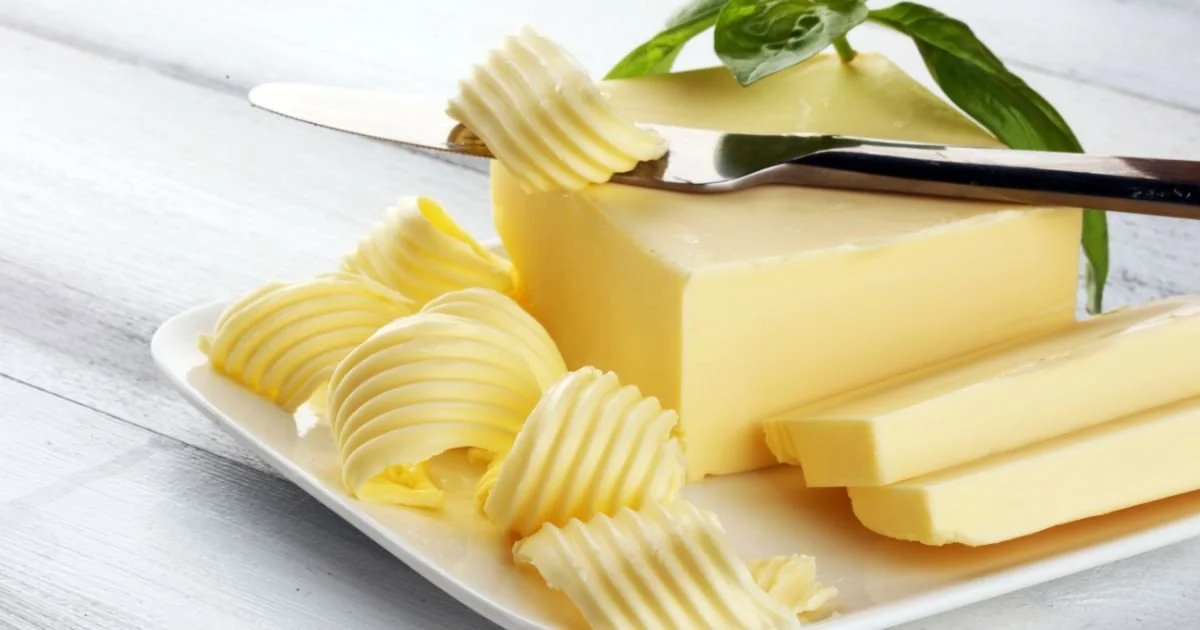
If you have ever bitten into a croissant in a Parisian boulangerie and wondered why it tastes worlds apart from the ones back home, the answer lies in a single, golden ingredient. European butter is widely considered the holy grail of professional baking, offering a depth of flavor and structural integrity that standard commercial butters simply cannot match. For home bakers looking to elevate their kitchen game, understanding why this specific fat makes such a difference is the first step toward mastery. From its higher fat content to the traditional culturing process, European butter transforms ordinary dough into extraordinary, flaky masterpieces.
1. The Magic of Higher Fat Content
Most American butters contain about 80% butterfat, while European-style butter boasts 82% to 85%. This 2-5% difference may seem small, but it significantly reduces the water content. Less water means less steam released during baking, resulting in a more tender, melt-in-your-mouth crumb.
2. Achieving the Perfect Flaky Layer
In laminated doughs like puff pastry, the goal is distinct layers. Because European butter has less water, it doesn’t soften the flour as quickly. This allows the fat to remain in distinct sheets, which expand beautifully in the oven to create those coveted airy gaps.
3. The Role of Fermentation and Cultures
Unlike “sweet cream” butter, many European varieties are cultured. Live bacteria are added to the cream before churning, allowing it to ferment. This process develops a complex, slightly tangy aroma that cuts through the richness, adding a sophisticated flavor profile to your delicate pastries.
4. Better Plasticity for Easier Rolling
Plasticity refers to the butter’s ability to be flattened and folded without cracking or melting. The unique churning process used in Europe creates a more pliable texture. This makes it much easier to “lock in” the butter during the lamination process for croissants or Danishes.
5. Higher Smoke Point for Golden Crusts
Because it contains fewer milk solids and less water, European butter often has a slightly higher smoke point. This allows your pastries to bake at high temperatures long enough to achieve a deep, mahogany-golden crust without developing a burnt or bitter aftertaste.
6. Grass-Fed Goodness and Beta-Carotene
European cows are frequently pasture-raised, consuming a diet rich in fresh grass. This results in a naturally vibrant yellow color due to high beta-carotene levels. This natural pigment carries over into your dough, giving your finished bakes a rich, high-quality visual appeal.
7. Superior Flavor Retention
The high fat content acts as a carrier for aromatics. Whether you are adding vanilla bean, citrus zest, or fine sea salt, the concentrated fats in European butter “grip” these flavors better. This ensures every bite of your pastry is packed with consistent, intense flavor.
8. Reduced Gluten Development
Water is the catalyst that activates gluten in flour. By using a butter with lower water content, you minimize unwanted gluten development. This results in shortbread that is exceptionally sandy and pie crusts that remain tender rather than becoming tough or bready.
9. Churning Techniques Matter
European butter is often churned longer than standard varieties. This traditional slow-churning process creates a finer emulsion of fat and moisture. The result is a silkier mouthfeel that is immediately noticeable in butter-forward recipes like shortbread or classic pound cakes.
10. The Chilled Performance Factor
When making pie dough, keeping the fat cold is crucial. European butter tends to stay firm yet workable at slightly higher temperatures than standard butter. This provides a larger “margin of error” for bakers working in warm kitchens, preventing the fat from melting prematurely.
11. Enhanced Creaming Ability
When beating butter with sugar for cakes, the goal is to incorporate air. The structure of European butter allows it to hold these tiny air bubbles more effectively. This leads to a superior rise and a lighter, more delicate texture in sponge cakes.
12. Minimal Additives and Fillers
High-quality European brands prioritize purity. You won’t find natural flavorings or added dyes to mimic “butteriness.” The flavor is derived entirely from the quality of the cream and the culturing process, providing a clean, honest taste that doesn’t feel greasy on the palate.
13. A Difference You Can Smell
The scent of European butter browning in the oven is unmistakable. The fermentation creates volatile compounds that release a nutty, toasted aroma. This olfactory experience is part of what makes high-end bakeries so inviting, and you can recreate it at home.
14. Perfect for Beurre Noisette
If a recipe calls for brown butter (beurre noisette), European butter is the superior choice. The higher fat concentration leads to a more stable foaming process, allowing you to monitor the browning of the milk solids more precisely for a perfect, toasted finish.
15. The Importance of Origin (AOP)
Many European butters carry an AOP (Appellation d’Origine Protégée) seal. This ensures the butter was produced in a specific region using traditional methods. Buying AOP butter, like those from Charentes-Poitou, guarantees a level of quality and consistency that generic brands cannot offer.
16. Salted vs. Unsalted Nuances
European salted butters often use high-quality sea salt or fleur de sel rather than table salt. While unsalted is preferred for control in baking, using a lightly salted European butter for finishing biscuits adds a crunch and mineral depth that elevates the dish.
17. Improved Shelf Stability
The culturing process doesn’t just add flavor; it also introduces beneficial acids that act as a natural preservative. While you should still refrigerate it, European butter is often more resilient, maintaining its fresh, creamy profile longer than standard sweet cream varieties.
18. Impact on Cookie Spread
When baking cookies, the fat-to-water ratio determines how much the dough spreads. Using European butter results in less spreading and better height. Your cookies will have crisp edges and soft, chewy centers, maintaining their shape perfectly on the baking sheet.
19. Professional Results for Home Bakers
Using premium ingredients is the easiest way to bridge the gap between amateur and professional results. While European butter is more expensive, the investment is evident in the final product. It is the “secret weapon” that makes simple recipes taste luxurious.
20. Versatility Beyond Pastries
While it shines in baking, this butter also excels in stovetop cooking. Using it to finish a silk-smooth Hollandaise or whisking it into a pan sauce provides a gloss and richness that 80% fat butters simply can’t replicate due to their higher water content.
SEO Meta Description
Discover why European butter is the secret to perfect pastries. Learn how its high fat content and cultured flavor create flakier, professional-quality bakes.
Focus Keywords
- European butter
- Baking with European butter
- Higher fat butter
- Pastry making tips
- Cultured butter benefits
- Professional baking secrets
- Flaky pie crust
FAQ Section
Q: Can I substitute European butter for regular butter in any recipe? A: Yes! You can swap them at a 1:1 ratio. However, because European butter has less water, you may notice your doughs are slightly richer and your pastries are much flakier.
Q: Is European-style butter the same as “grass-fed” butter? A: Not necessarily. While many European butters are grass-fed, “European-style” specifically refers to the higher fat content (82%+) and the cultured churning process, whereas grass-fed refers to the cow’s diet.
Q: Why is European butter more expensive? A: The cost reflects the quality of the cream, the longer churning time, and the traditional culturing process. Additionally, the higher fat concentration means you are getting more actual butter and less water per pound.
Internal Linking Suggestions
- The Ultimate Guide to Lamination: How to master the art of homemade croissants.
- Butter vs. Shortening: Which fat should you use for the perfect pie crust?
- Understanding Flour Types: Why protein content matters as much as your butter choice.
Conclusion
Switching to European butter is perhaps the simplest adjustment you can make to see an immediate improvement in your baking. Its unique combination of high fat, low moisture, and cultured tang provides the structural integrity and rich flavor profile required for world-class pastries. Whether you are laminating dough for the first time or perfecting a family shortbread recipe, this golden ingredient ensures your hard work results in the most delicious, professional-quality bakes possible.
Leave a Reply