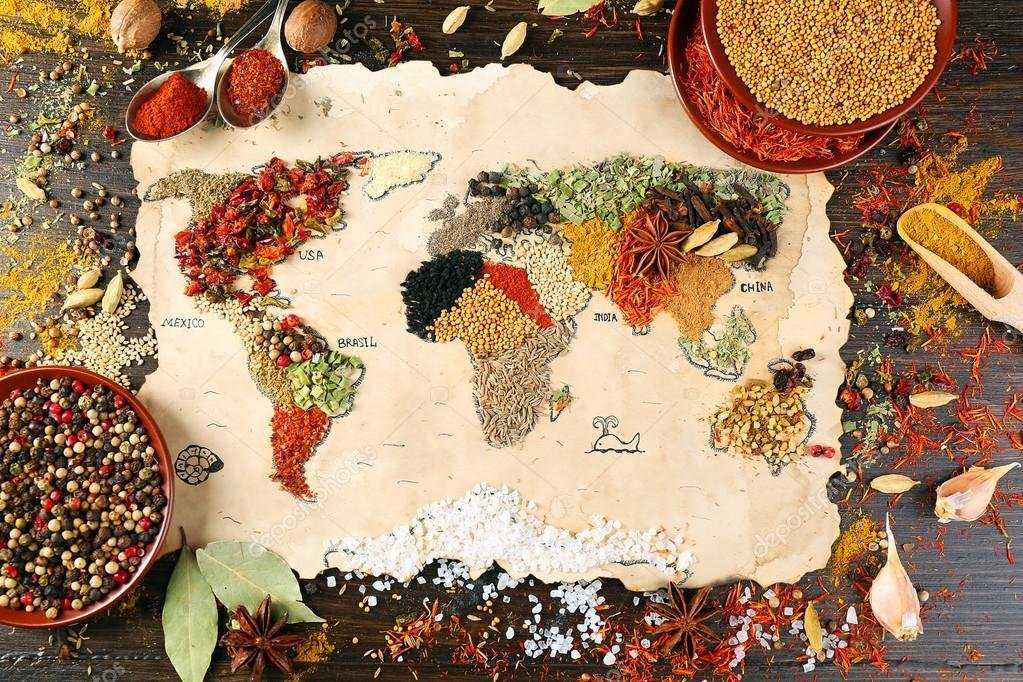
Modern European cuisine is often celebrated for its refined techniques and local ingredients, yet its true soul was forged through centuries of global trade and conquest. We often forget that the foundational flavors of the West—the warmth of cinnamon in a pastry or the bite of black pepper on a steak—were once exotic luxuries that shifted the course of empires. This exploration of the silent influence of history on European plates reveals how the spice trade transformed bland medieval diets into the complex, aromatic culinary traditions we enjoy today. By tracing these flavors back to their origins, we uncover the hidden heritage within every bite.
1. The Roman Foundation of Flavor
Long before the Age of Discovery, Romans were obsessed with long pepper and ginger. They established the first major trade routes that linked the Mediterranean to India, proving that European palates have craved heat and complexity for over two millennia, setting the stage for future culinary evolution.
2. The Arab Influence in Andalusia
The Moorish conquest of the Iberian Peninsula introduced irrigation and exotic crops like saffron and citrus. This “Green Revolution” didn’t just change the landscape; it created the aromatic base for iconic dishes like paella, blending North African spice profiles with European grains.
3. Saffron: The Golden Legacy
Saffron remains one of the most expensive spices in the world, a direct link to the medieval obsession with color and status. Originally brought to Europe via the Silk Road, it became a staple in Spanish and Italian rice dishes, signifying wealth and sunlight on a plate.
4. The Crusades and Culinary Expansion
Returning Crusaders brought back more than just stories; they brought a newfound love for nutmeg, cloves, and cardamom. This exposure shifted the European palate toward the “sweet-and-savory” profiles that dominated medieval banquets and still linger in certain traditional meat pies today.
5. Venice: The Spice Gate of Europe
For centuries, Venice held a virtual monopoly on the spice trade. The city’s wealth was built on the back of peppercorns and cinnamon, acting as the primary gateway where Eastern aromatics met Western markets, influencing Northern Italian cuisine with subtle, exotic undertones.
6. The Quest for the Source
The high cost of spices under the Venetian-Arab monopoly drove European powers to find direct sea routes to Asia. This desperation wasn’t just about gold; it was about the literal flavor of food, sparking the Age of Exploration and forever changing global geography.
7. Pepper: The Black Gold
Black pepper was once so valuable it was used as currency and to pay rent. Its ubiquity today masks its historical status as a luxury. It became the “king of spices” in Europe because it provided a reliable, pungent heat that complemented preserved meats.
8. Cinnamon’s Role in Northern Europe
In Scandinavia and Germany, cinnamon became deeply embedded in the culture of baking. Introduced via Hanseatic trade routes, it transformed simple wheat breads into the festive, aromatic pastries like kanelbullar that define the region’s cozy, historical “hygge” food identity today.
9. Nutmeg and the Dutch Monopoly
The Dutch fought bloody wars over the Banda Islands to control nutmeg production. This intense historical conflict is whispered every time a French chef grates fresh nutmeg into a Béchamel sauce, a technique that survived the centuries to become a culinary standard.
10. The Shift from Spices to Herbs
By the 17th century, French cuisine began to move away from heavy Oriental spices in favor of local green herbs like thyme and parsley. This shift marked a desire for “purity” in flavors, though spices remained essential for preserving and seasoning complex sauces.
11. Sugar as a Spice
Historically, sugar was treated as a spice rather than a bulk commodity. It was used sparingly alongside ginger and cloves in savory dishes. The evolution of the modern dessert course is a direct result of sugar becoming more accessible through colonial expansion.
12. Cloves and the Preservation Secret
Before refrigeration, cloves were prized for their preservative properties. Their high eugenol content helped mask the smell of aging meat and kept food edible longer. Today, we still use them in stocks and braises for that deep, medicinal warmth they provide.
13. The Portuguese Influence on Peri-Peri
The Portuguese “Age of Discovery” led to the exchange of chili peppers between the Americas, Africa, and Europe. This historical movement created the spicy Peri-Peri (Piri-Piri) flavor profile, which remains a staple of Portuguese rotisserie cooking and global fast food.
14. Ginger: The Ancient Digestive
Ginger has been a mainstay in European medicine and cooking since the Middle Ages. Its ability to aid digestion made it a frequent addition to heavy, meat-laden feasts, eventually evolving into the gingerbread and ginger ales we recognize in modern snacks.
15. The Role of the Silk Road
The overland Silk Road didn’t just transport silk; it was a conduit for dried fruits and spices. This historical route influenced Eastern European cuisines, where the use of paprika and dried aromatics reflects a blend of Ottoman and Central Asian influences.
16. Salt: The Necessary Companion
While not a spice, salt’s history is intertwined with the spice trade. It was the essential preservative that allowed spice-laden cured meats to travel across the continent, forming the backbone of European charcuterie and the global trade economy.
17. Curry Powder in the British Empire
The British adaptation of Indian spices into a pre-mixed “curry powder” is a prime example of colonial history influencing domestic plates. It transformed British home cooking, making exotic flavors accessible and creating a new genre of Anglo-Indian comfort food.
18. Cardamom in the Baltics
Interestingly, cardamom found a massive foothold in Nordic countries. Historical trade links with the Byzantine Empire brought this spice north, where it remains more popular for baking than in almost any other part of non-Asian Europe today.
19. Vanilla: The Fragrant Newcomer
Following the conquest of Mexico, vanilla entered the European palate. Originally used by the Aztecs in chocolate, it was adopted by European royalty and eventually became the most popular flavor in the world, symbolizing the “sweetness” of global trade.
20. The Industrialization of Flavor
The Victorian era saw the mass production of spice blends and sauces. This period stabilized the “European” flavor profile, making what were once royal luxuries into household staples, ensuring that the influence of history reached every kitchen table.
SEO Meta Description
Discover how the spice trade shaped European cuisine. Explore the silent influence of history on European plates through 20 fascinating facts about food culture.
Focus Keywords
- History of European spices
- Spice trade influence
- European culinary history
- Evolution of European flavor
- Historical food trends
- Global spice trade impact
FAQ Section
Q: Why were spices so important in medieval Europe? A: Spices were used as a status symbol, a preservative for meat, and a way to add flavor to a limited local diet. They were also believed to have significant medicinal properties.
Q: How did the spice trade change the world? A: The demand for spices drove European explorers to find new sea routes, leading to the “discovery” of the Americas and the establishment of global trade networks that shaped the modern world.
Q: Which spice was the most valuable historically? A: Black pepper and saffron were among the most valuable. Pepper was often referred to as “black gold” and was used to pay taxes and ransoms in various parts of Europe.
Internal Linking Suggestions
- The History of Salt: How the “White Gold” built and broke empires.
- Forgotten Medieval Recipes: A guide to recreating authentic 14th-century banquets.
- The Origins of Chocolate: From Aztec rituals to European luxury.
Conclusion
The flavors we often take for granted are the echoes of a turbulent and fascinating past. From the golden hues of saffron to the sharp bite of black pepper, the silent influence of history on European plates continues to define how we eat today. Understanding these origins doesn’t just make us better cooks; it connects us to the centuries of explorers, traders, and chefs who shaped the global kitchen we all share.
Leave a Reply