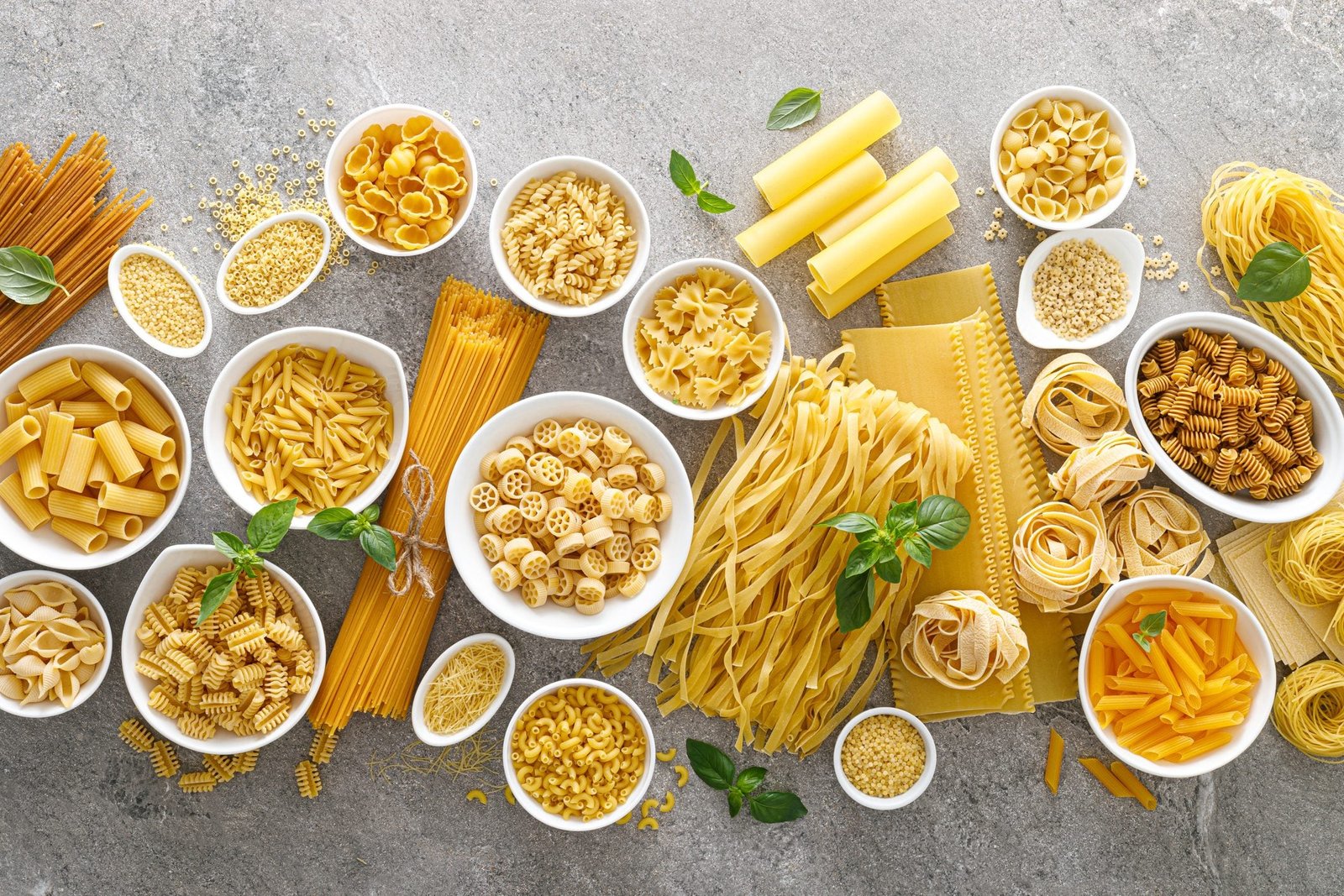
Walking into an Italian grocery store can feel like entering an art gallery where every curve and ridge has a purpose. Understanding authentic Italian pasta shapes is about more than just aesthetics; it is a culinary science that dictates how sauce clings to dough. While many home cooks reach for whatever box is in the pantry, matching the right shape to the right sauce is the secret to elevating a simple meal into an artisanal experience. This guide explores the diverse world of pasta, helping you master the textures and traditions that define Italy’s most iconic export.
1. The Anatomy of Long Pasta
Long strands like Spaghetti or Linguine are designed for fluidity. These shapes work best with oil-based or cream sauces that can coat the entire length of the noodle without weighing it down or breaking the delicate strands during tossing.
2. Spaghetti: The Global Icon
The most famous of all authentic Italian pasta shapes, Spaghetti translates to “little strings.” Its cylindrical form is perfect for simple pairings like Aglio e Olio or classic tomato basil, where the sauce lightly coats each individual strand.
3. Linguine for Seafood
Linguine, or “little tongues,” is flatter than spaghetti. This extra surface area makes it the traditional choice for seafood dishes like Linguine allo Scoglio. The flat shape carries the delicate brine and oil of clams and mussels beautifully.
4. Fettuccine and Rich Creams
Fettuccine consists of thick, flat ribbons. Because it is sturdier than thinner strands, it is the gold standard for heavy, dairy-based sauces like Alfredo. The wide surface acts as a canvas for thick, velvety cheese and butter.
5. Pappardelle: The Wide Ribbon
Pappardelle features broad, flat ribbons often with ruffled edges. Originating from Tuscany, these wide noodles are traditionally paired with “heavy” meat ragùs, such as wild boar or slow-cooked beef, providing a robust bite that matches the meat.
6. Capellini (Angel Hair)
Capellini is the thinnest long pasta available. Because it is so delicate, it should never be paired with chunky sauces. Instead, use a light lemon-butter sauce or a very thin tomato broth to avoid turning the dish into a clump.
7. Short Pasta and Chunky Sauces
Short shapes like Penne or Rigatoni are engineered to capture ingredients. Their hollow centers or ridges (rigate) act as pockets, trapping bits of meat, vegetables, or thick sauces that would otherwise slide off long, smooth noodles.
8. Penne Rigate: The Tube Master
Penne Rigate features a hollow center and exterior ridges. The “rigate” or ridges are essential for holding onto thinner tomato sauces, while the hollow middle catches smaller ingredients like peas or ground mince, ensuring flavor in every bite.
9. Rigatoni: The Hearty Cylinder
Larger and wider than penne, Rigatoni is a staple of Roman cuisine. Its wide opening is perfect for capturing chunks of sausage or thick vegetable pieces. It is the preferred choice for the classic, peppery Amatriciana sauce.
10. Fusilli: The Flavor Spiral
The corkscrew shape of Fusilli is a masterclass in surface area. The twists are designed to trap pesto or finely ground meat sauces. Its whimsical shape also adds a wonderful textural contrast to cold pasta salads.
11. Farfalle: The Bow-Tie
Farfalle, meaning “butterflies,” has a thick center where the dough is pinched and thinner “wings.” This variation in thickness provides a unique “al dente” experience, making it a favorite for cream-based sauces with small vegetables like peas.
12. Orecchiette: Little Ears
Hailing from Puglia, Orecchiette are shaped like small ears. The concave center creates a perfect bowl for holding small ingredients. Traditionally, they are served with broccoli rabe (cime di rapa), where the florets nestle inside the pasta.
13. Conchiglie (Shells)
Pasta shells come in various sizes, but all serve the same purpose: acting as a scoop. Large shells are ideal for stuffing with ricotta and spinach, while small shells are perfect for thick, creamy macaroni and cheese.
14. Cavatappi: The Double Corkscrew
Cavatappi is a hollow, spiral-shaped pasta that offers a fantastic chew. Its structure makes it incredibly versatile, working well with everything from chunky vegetable sauces to baked pasta dishes where it maintains its integrity under heat.
15. Macaroni (Maccheroni)
While famous globally for “Mac and Cheese,” traditional Italian Maccheroni are small, slightly curved tubes. They are excellent for soups or baked dishes where a uniform, bite-sized shape is required to balance out heavy cheese or broth.
16. Gemelli: The Twin Twist
Gemelli looks like two strands twisted together, but it is actually a single S-shaped strand. This tight twist allows it to remain firm when cooked, making it an excellent candidate for lighter pesto or herb-infused oil sauces.
17. Radiatori: The Heat Radiator
Designed to look like old-fashioned radiators, this shape is an SEO favorite for foodies seeking “hidden gems.” The deep grooves and ruffles provide maximum surface area, trapping more sauce than almost any other short pasta shape.
18. Ravioli: The Stuffed Classic
Ravioli are square or round pillows of dough filled with meat, cheese, or vegetables. Because the flavor is inside the pasta, they are usually served with a simple butter and sage sauce or a light tomato glaze.
19. Tortellini: The Navel of Venus
These small, ring-shaped pastas are traditionally filled with a mix of meat and cheese. In Bologna, they are served in a clear capon broth, allowing the delicate flavor of the handmade dough and filling to shine.
20. Gnocchi: The Potato Dumpling
While technically a dumpling, Gnocchi is a staple in the pasta world. Made from potatoes and flour, these soft pillows require light sauces—like gorgonzola cream or tomato and mozzarella—to avoid overpowering their delicate, airy texture.
21. Campanelle (Bellflowers)
Campanelle has a fluted edge and a hollow center, resembling a small bell. This elegant shape is sturdy enough to handle thick sauces but delicate enough to look beautiful in a Mediterranean-style pasta salad with olives and feta.
22. Orzo: The Rice Mimic
Orzo is a tiny, grain-shaped pasta often mistaken for rice. It is best used in soups (minestrone) or as a base for “orzotto.” Its small size allows it to absorb the flavors of the cooking liquid intensely.
23. Lasagna: The Layered Sheet
Lasagna consists of wide, flat sheets. Unlike other pastas, these are designed for structural integrity. The layers act as dividers for meat, béchamel, and cheese, creating the world’s most famous baked pasta casserole.
24. Bucatini: The Hollow Spaghetti
Bucatini looks like thick spaghetti but has a hole running through the center. This allows the sauce to coat both the outside and the inside of the noodle, providing a surprising burst of flavor with every bite.
25. The Importance of “Al Dente”
Regardless of the shape, cooking pasta “to the tooth” is essential. This firm texture ensures the pasta maintains its structural integrity when tossed with sauce, preventing your beautiful shapes from turning into a mushy, unrecognizable mass.
SEO Meta Description
Discover the ultimate guide to authentic Italian pasta shapes. Learn how to pair spaghetti, penne, and more with the perfect sauces for a true Italian experience.
Focus Keywords
- Authentic Italian pasta shapes
- Pasta pairing guide
- Types of pasta noodles
- Italian cooking tips
- Best pasta for sauces
- Regional Italian pasta
- Pasta shapes and names
FAQ Section
Q: Why are there so many different pasta shapes? A: Different shapes are designed to hold specific types of sauces. Ridged and hollow shapes catch chunky sauces, while long, thin strands are better for light oils or creams.
Q: Does the shape of the pasta affect the taste? A: While the dough is often the same, the shape changes the texture and the ratio of sauce to pasta in each bite, which significantly impacts the overall flavor profile.
Q: What is the best pasta shape for pesto? A: Fusilli or Trofie are traditionally the best, as their twists and spirals trap the fine herbs and pine nuts of the pesto perfectly.
Internal Linking Suggestions
- The Secret to Homemade Marinara Sauce: A perfect companion for your newly chosen pasta shapes.
- Top 10 Essential Italian Pantry Staples: Learn what else you need to cook like a true nonna.
- A Beginner’s Guide to Al Dente Cooking: Mastering the texture of every pasta variety.
Conclusion
Mastering authentic Italian pasta shapes is the first step toward becoming a more confident and intentional cook. By understanding the functional beauty of ridges, tubes, and ribbons, you can ensure that every sauce you prepare finds its perfect partner. Whether you are serving a delicate Capellini or a robust Rigatoni, the right pairing honors centuries of Italian tradition and guarantees a better meal. Happy cooking, and buon appetito!
Leave a Reply