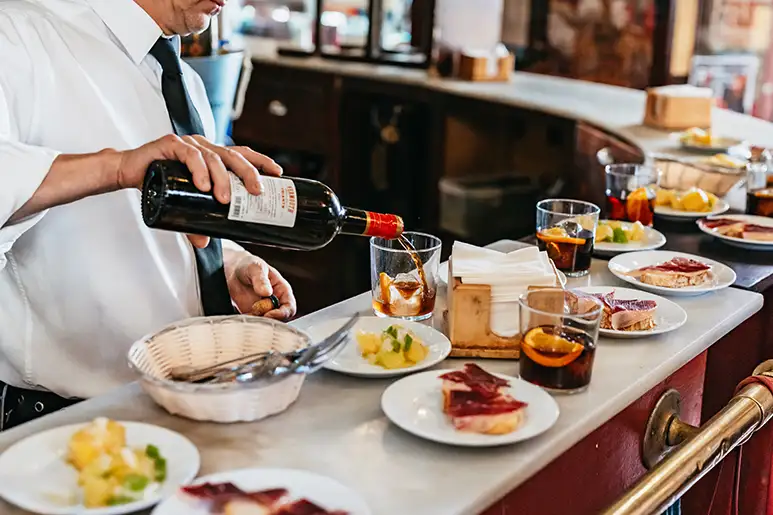
There is a specific kind of magic that happens when the world’s culinary boundaries blur, transforming a simple journey into a foodie’s dream. Imagine the sensory transition from the moonlit, saffron-scented streets of Spain to the crisp, sourdough-filled mornings of Germany. This isn’t just about travel; it’s about a global gastronomic experience where every hour presents a new flavor profile. Whether you are chasing the ultimate midnight tapa or the perfect morning pastry, crossing borders for a meal is the pinnacle of culinary exploration. Join us as we explore how to navigate these diverse food landscapes, ensuring your palate remains as adventurous as your itinerary.
1. The Lure of Midnight Tapas
Madrid truly comes alive after dark, where the tradition of late-night dining is a cornerstone of the culture. Navigating the crowded bars for gambas al ajillo or jamón ibérico is an essential experience for any traveler seeking an authentic Spanish evening.
2. Mastering the Madrid Bar Hop
In Spain, a foodie’s dream involves “ir de tapeo.” Move from one tavern to another, ordering a single drink and a small plate at each. This allows you to sample a wide variety of specialties without committing to a single sit-down meal.
3. Iconic Saffron and Smoked Paprika
Spanish cuisine relies heavily on high-quality spices. The deep, earthy notes of Pimentón de la Vera and the delicate aroma of saffron define the local flavor palette, making even the simplest potato dish feel like a gourmet masterpiece.
4. The Churro Midnight Ritual
No night in Madrid ends without a stop at a churrería. Dipping crispy, golden fried dough into thick, dark chocolate is the ultimate comfort food, providing the perfect sugary fuel for those late-night walks through the Plaza Mayor.
5. Transitioning Between Time Zones
Traveling from Southern Europe to Central Europe overnight requires a shift in appetite. While Spain thrives on small, social plates, the German breakfast culture focuses on hearty, nourishing starts to the day that emphasize texture and whole grains.
6. The Berlin Breakfast Philosophy
In Berlin, breakfast is an art form known as Frühstück. It is rarely a rushed affair. Expect a spread of cheeses, cold cuts, soft-boiled eggs, and various spreads, all designed to be enjoyed slowly with a steaming cup of coffee.
7. Sourdough and Rye Excellence
German bread is world-renowned for its density and crust. A true foodie’s dream includes tasting a fresh Vollkornbrot or a crusty Brötchen. These breads are the foundation of the Berlin morning, offering a satisfying crunch and nutty flavor.
8. The Rise of the Berlin Brunch Scene
Berlin has evolved into a global hub for creative brunching. Areas like Neukölln and Kreuzberg offer fusion dishes where traditional German ingredients meet international influences, such as Turkish-inspired poached eggs or vegan-friendly regional spreads.
9. Finding the Best Currywurst
While often considered a lunch item, Berlin’s Currywurst is available at all hours. This iconic street food—sliced sausage topped with curry-flavored ketchup—represents the city’s gritty, delicious history and is a must-try for any culinary enthusiast.
10. Seasonal Produce in European Markets
Both Madrid and Berlin celebrate seasonality. Visiting the Mercado de San Miguel or a Berlin Wochenmarkt allows you to see the fresh ingredients that dictate the menus of the city’s top-tier restaurants and local eateries.
11. The Role of Coffee Culture
Madrid’s café con leche is strong and milky, perfect for socializing. Conversely, Berlin’s third-wave coffee shops focus on bean origin and precise brewing methods, catering to the modern coffee connoisseur looking for a complex caffeine kick.
12. Embracing the Communal Table
In both cities, dining is a social act. Whether you are squeezed at a bar in Madrid or sitting at a long wooden table in a Berlin bakery, the shared experience of eating enhances the flavor of the food.
13. Sweet vs. Savory Transitions
The jump from Madrid’s sweet pastries to Berlin’s savory meats can be jarring. To balance your palate, look for intermediate flavors like mild cheeses or fruit preserves that bridge the gap between these two distinct culinary worlds.
14. Navigating Language Barriers
Knowing basic food terms in Spanish and German goes a long way. Phrases for “local specialty” or “chef’s recommendation” can unlock hidden menu items that aren’t always featured on the English-translated versions provided to tourists.
15. The Importance of Hydration
Between the wine in Madrid and the beer or coffee in Berlin, staying hydrated is key. Always carry a water bottle to ensure your taste buds stay sharp and your energy remains high throughout your cross-continental food tour.
16. Sustainable Dining Choices
Modern foodies prioritize sustainability. Seek out farm-to-table restaurants in both cities that support local farmers. This not only ensures fresher ingredients but also reduces the carbon footprint of your international dining adventures.
17. Street Food vs. Fine Dining
A balanced foodie’s dream includes both extremes. Don’t be afraid to eat a kebab in a Berlin subway station or a Michelin-starred meal in a Madrid skyscraper. Both offer valuable insights into the city’s soul.
18. Documenting Your Culinary Journey
Take photos, but also keep a flavor journal. Note the textures, smells, and spices you encounter. These memories will last much longer than a digital image and help you recreate the dishes once you return home.
19. Budgeting for a Food Tour
European dining varies in cost. Madrid offers incredible value through menú del día specials, while Berlin is famous for affordable, high-quality street food. Plan your budget to allow for one “splurge” meal in each city.
20. The Joy of the “Second Breakfast”
Following the German tradition, don’t stop at one morning meal. A mid-morning pastry or a small snack helps maintain your energy levels as you explore Berlin’s vast museums and historical landmarks.
SEO Meta Description
Experience a foodie’s dream with our guide to dining from Madrid to Berlin. Explore midnight tapas, German breakfasts, and the best culinary secrets in Europe.
Focus Keywords
- Foodie’s dream
- Madrid tapas
- Berlin breakfast
- European culinary tour
- Best street food Europe
- Gastronomic travel tips
- Mediterranean vs. German cuisine
FAQ Section
Q: What is the best time to eat dinner in Madrid? A: Most locals in Madrid don’t start dinner until 9:00 PM or 10:00 PM. For the best atmosphere and freshest tapas, aim for the later hours when the bars are buzzing.
Q: Is Berlin a good city for vegetarians? A: Yes! Berlin is one of the most vegan and vegetarian-friendly cities in the world, offering everything from plant-based schnitzel to high-end vegetable-forward fine dining.
Q: Can I find traditional Spanish breakfast in Berlin? A: While Berlin is diverse, you are more likely to find German or Turkish breakfast styles. However, specialized Mediterranean cafes in districts like Prenzlauer Berg do offer Spanish-inspired items.
Internal Linking Suggestions
- The Ultimate Guide to Spanish Wine Regions: Perfect for readers looking to pair their Madrid tapas with the right vintage.
- Top 10 Street Foods in Germany: A deeper dive into the savory snacks found in Berlin and beyond.
- How to Eat Like a Local in Europe: General tips on dining etiquette and finding hidden gems in major European capitals.
Conclusion
A foodie’s dream is more than just a full stomach; it is a collection of cultural stories told through spices, dough, and tradition. From the late-night energy of Madrid’s tapas bars to the structured, hearty comfort of a Berlin breakfast, every bite offers a lesson in history and hospitality. By embracing these diverse flavors, you turn a simple trip into a lifelong culinary memory. Pack your appetite and prepare for an unforgettable journey across the European table.
Leave a Reply