Beyond the neon lights of the Eiffel Tower and the crowded canals of Venice lies a culinary landscape waiting to be explored by those willing to stray from the beaten path. While everyone flocks to the famous Michelin-starred hubs, the true soul of the continent is found in its quieter corners. In this guide to Europe’s hidden food gems, we venture into the rustic taverns, coastal villages, and mountain outposts where tradition still dictates the menu. Whether it’s a forgotten cheese in the Balkans or a coastal delicacy in the Baltics, these authentic flavors offer a genuine taste of history.
1. The Underrated Soul of Tbilisi, Georgia
Georgia is a rising star in the culinary world, offering a unique blend of Persian and Mediterranean influences. The khinkali (soup dumplings) and khachapuri (cheese-filled bread) are legendary staples that represent the country’s deep hospitality and ancient agricultural roots.
2. Piran’s Fresh Adriatic Bounty
While tourists swarm Venice, the Slovenian coast offers Piran, a medieval town where salt-crusted sea bass is a local art form. The Sečovlje salt pans produce “fleur de sel” that elevates even the simplest grilled sardines to gourmet status.
3. The Cheese Caves of Asturias, Spain
High in the Picos de Europa, the “Land of Cheese” produces Cabrales, a potent, blue-veined treasure aged in natural limestone caves. Sampling this pungent delicacy with local fermented cider provides an authentic taste of northern Spanish mountain life.
4. Transylvania’s Slow Food Heritage
Romania’s heartland is a bastion of rural food traditions. In Transylvania, you can find smoked meats, hearty tripe soups, and artisanal honey. These recipes have remained unchanged for centuries, emphasizing a true farm-to-table lifestyle long before it was a trend.
5. The Smoked Fish Culture of Riga
Latvia’s Central Market is one of Europe’s largest, housed in repurposed Zeppelin hangars. Here, the aroma of smoked eel, sprats, and lamprey fills the air. These preserved delicacies are a testament to the Baltic region’s mastery of sea-based preservation.
6. Poland’s Regional Pierogi Variations
Beyond the standard potato and cheese, Polish regions offer unique pierogi fillings. In the east, look for buckwheat and mint, while forest regions feature wild mushroom and sauerkraut blends. These dumplings are the ultimate comfort food for any European traveler.
7. The Truffle Forests of Istria, Croatia
Istria is the secret rival to Piedmont for world-class truffles. The Motovun Forest is home to both black and white varieties. Local taverns serve “fuzi” pasta tossed in rich truffle butter, offering a luxury experience at a fraction of the cost.
8. Belgian Beer Beyond Brussels
Head to the Ardennes to find small Trappist monasteries brewing world-class ales that never reach international shelves. Pairing these complex, fermented beverages with local Orval cheese creates a flavor profile that is deeply rooted in monastic history and patience.
9. Sardinian Su Filindeu Pasta
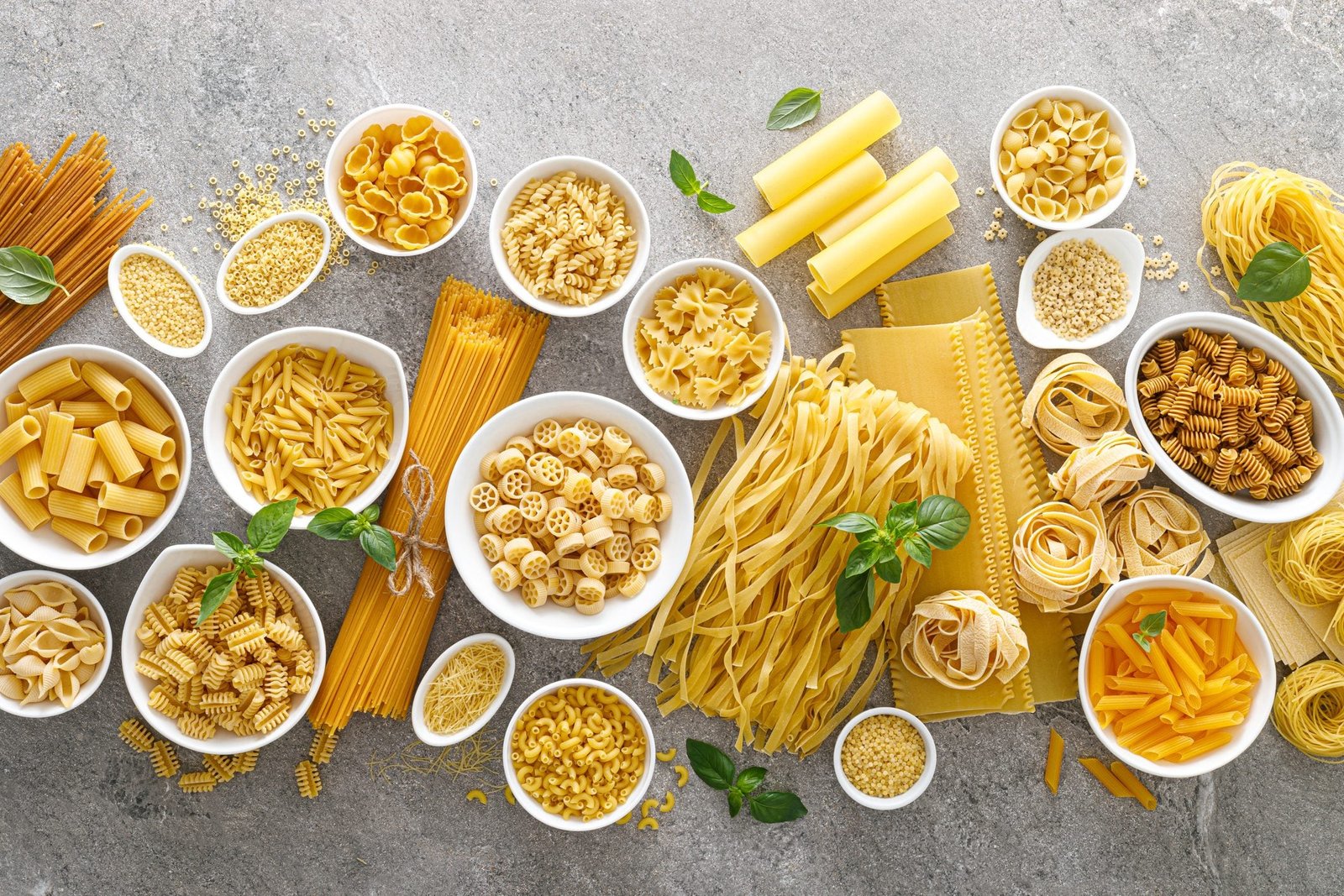
Known as the “thread of God,” this is the world’s rarest pasta, made by only a few women in Nuoro, Sardinia. The intricate lace-like dough is served in a rich mutton broth with pecorino, representing the peak of culinary craftsmanship.
10. The Alpine Flavors of Slovenia
Lake Bled is famous for its cream cake, but the Julian Alps offer much more. Look for “Kranjska klobasa,” a protected pork sausage, and “štruklji,” rolled dumplings that can be served sweet or savory depending on the mountain hut’s tradition.
11. Portugal’s Alentejo Bread Soup
While the Algarve is for beaches, Alentejo is for eaters. “Açorda” is a traditional bread soup flavored with massive amounts of garlic, cilantro, and olive oil. It is a humble, rustic dish that showcases how simple ingredients can create profound flavors.
12. Hungary’s Thermal Water Wine
Near Lake Balaton, volcanic soil and a unique microclimate produce wines that are mineral-rich and refreshing. The Badacsony region specializes in white wines like Kéknyelű, which are rarely exported but beloved by local connoisseurs for their crisp, volcanic character.
13. Albania’s Mediterranean Fusion
Albanian cuisine is a delightful secret, blending Ottoman heritage with Italian proximity. Try “Tave Kosi,” a baked lamb and yogurt dish that is the country’s national pride. It’s creamy, savory, and perfectly embodies the warmth of Balkan hospitality.
14. The Cider Houses of Brittany
Northern France offers a refreshing alternative to wine culture. In Brittany, the focus is on dry, crisp apple ciders served in ceramic bowls. Pair these with savory galettes (buckwheat crepes) filled with local ham, egg, and nutty Gruyère cheese.
15. Crete’s Dakos and Olive Oil
Crete is often considered a separate culinary entity from mainland Greece. Their “Dakos”—barley rusks topped with tomatoes, mizithra cheese, and wild oregano—depends entirely on the quality of their world-renowned olive oil, which is liquid gold.
Conclusion
Exploring Europe’s hidden food gems requires a sense of adventure and a willingness to leave the tourist centers behind. By seeking out regional specialties and traditional cooking methods, you gain more than just a meal—you gain a deeper understanding of European culture. These flavors are the true heart of the continent. Remember that the best dishes aren’t always found in a guidebook; often, they are found at the end of a dirt road.
SEO Meta Description
Discover Europe’s hidden food gems in this ultimate guide to underrated culinary destinations, from Georgian dumplings to rare Sardinian pasta and Balkan wines.
Focus Keywords
- Europe’s hidden food gems
- Underrated European food
- Culinary travel Europe
- Traditional European recipes
- Authentic regional cuisine
- Off the beaten path food
FAQ Section
What is considered a hidden food gem? A hidden food gem is a dish, ingredient, or dining location that is culturally significant and high quality, but remains largely unknown to mainstream international tourists.
Are these destinations expensive to visit? Many of the best hidden food spots in regions like the Balkans, Poland, or rural Romania are significantly more affordable than major culinary hubs like Paris or Rome.
How can I find authentic local food when traveling? Look for “short menus” written in the local language, avoid restaurants with pictures on the windows, and ask locals where they go for a Sunday family lunch.
Internal Linking Suggestions
- The Ultimate Guide to Street Food in Istanbul: Perfect for readers looking for more eastern-influenced hidden gems.
- Top 10 Wine Regions You’ve Never Heard Of: A great follow-up for those interested in the Hungarian or Slovenian wine mentions.
- Slow Food Movement: How to Eat Sustainably While Traveling: Ideal for readers interested in the Transylvanian and Alpine points.