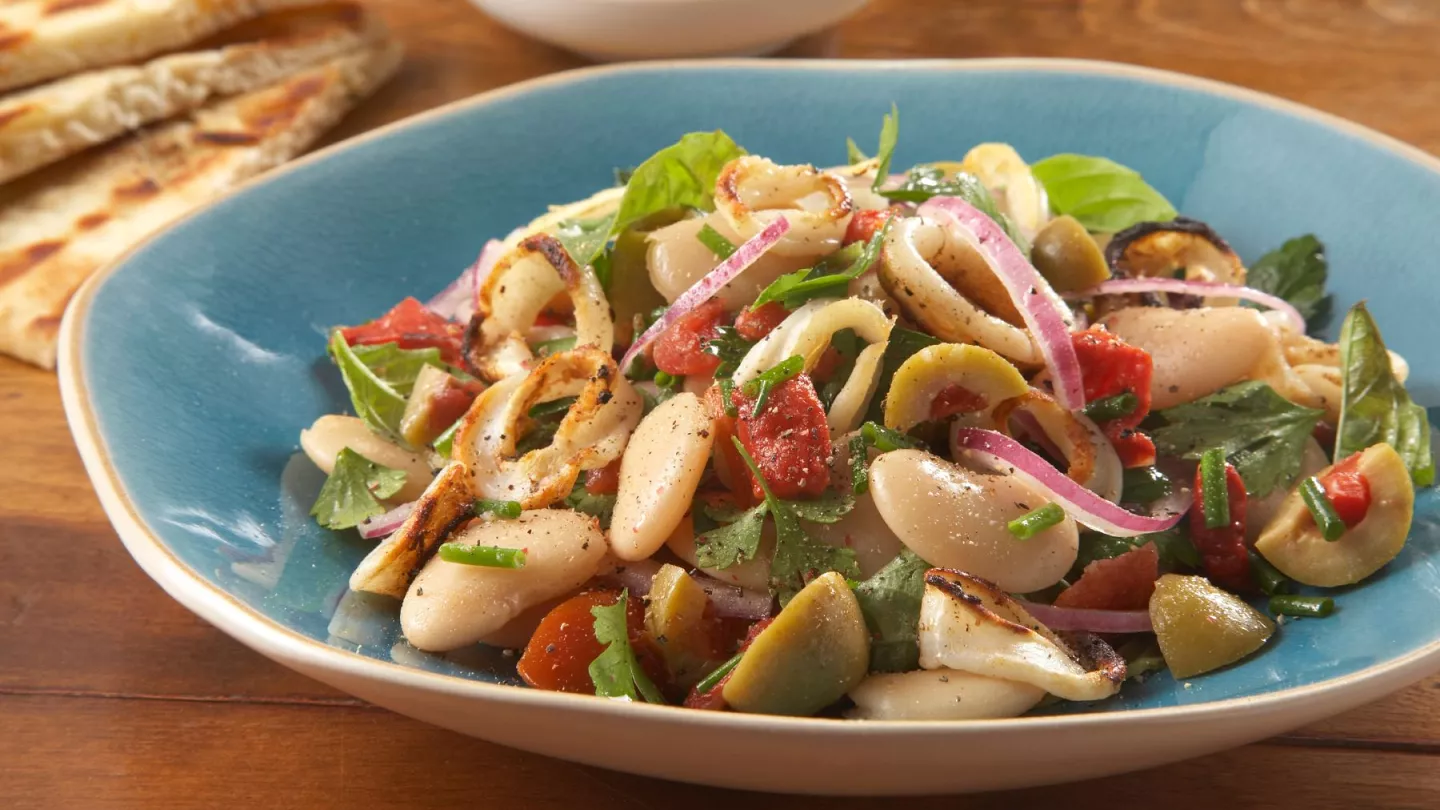
When we think of European dining, images of buttery croissants or heavy sausages often come to mind. However, the continent is home to some of the most scientifically backed nutritional patterns in the world. Shifting your eating habits toward the healthiest European diets isn’t just about weight loss; it’s about longevity, heart health, and finding joy in whole foods. From the sun-drenched shores of the Mediterranean to the rugged coastlines of Scandinavia, these regional eating patterns emphasize seasonal produce and healthy fats. This guide explores the most effective European dietary traditions you can adopt today to transform your well-being.
1. The Mediterranean Foundation
The Mediterranean diet is the gold standard of healthy eating. It focuses on plant-based foods, such as fruits, vegetables, legumes, and nuts. By replacing butter with healthy fats like olive oil, you reduce the risk of cardiovascular disease while enjoying incredibly flavorful, fresh meals every day.
2. The Power of Extra Virgin Olive Oil
In Southern Europe, olive oil is more than a condiment; it’s a lifestyle. Rich in monounsaturated fats and antioxidants, it serves as the primary fat source. Consuming high-quality olive oil helps fight inflammation and supports brain health, making it a cornerstone of longevity.
3. Scandinavian Nordic Nutrition
The Nordic diet is the “cool” cousin of the Mediterranean approach. It emphasizes oily fish, berries, root vegetables, and whole grains like rye. This diet is specifically designed to lower blood pressure and improve cholesterol levels using ingredients native to colder Northern climates.
4. Why Rapeseed Oil Matters
While the South uses olive oil, the Nordic diet relies on rapeseed (canola) oil. It contains less saturated fat than olive oil and is high in Omega-3 fatty acids. It’s an excellent heart-healthy alternative for high-heat cooking and baking in a modern kitchen.
5. Icelandic High-Protein Staples
Icelandic cuisine focuses on clean, lean proteins like fresh-caught fish and Skyr, a dense, high-protein yogurt. These staples keep you full longer and support muscle maintenance. Incorporating Skyr into your breakfast is an easy way to boost protein without added sugars.
6. The French Paradox Explained
The French approach to health involves “mindful indulgence.” By eating smaller portions of high-quality foods—including cheese and wine—and avoiding processed snacks, the French maintain lower obesity rates. It’s about quality over quantity and savoring every single bite during a meal.
7. Greek Legume Traditions
In Greece, lentils, chickpeas, and beans are the stars of the table. These affordable plant proteins are packed with fiber, which aids digestion and stabilizes blood sugar. Slow-cooked stews like fasolada make for a filling, nutrient-dense dinner that requires very little effort.
8. Italian Seasonal Eating
Italian food culture is rooted in “la materia prima,” or the quality of the raw ingredients. By eating what is currently in season, you ensure your body receives the maximum amount of vitamins and minerals. Seasonal produce also tastes significantly better than out-of-season imports.
9. Spanish Tapas and Social Health
The Spanish tradition of tapas encourages eating varied, small plates of food. This prevents overeating and ensures a wide range of nutrients. Furthermore, the social aspect of sharing food reduces stress levels, which is a vital but often overlooked component of overall health.
10. Whole Grain Sourdough from Germany
German bread culture celebrates dense, whole-grain loaves and sourdough. Unlike refined white bread, these options are rich in B vitamins and minerals. The fermentation process in sourdough also acts as a prebiotic, supporting a healthy gut microbiome and easier digestion.
11. The Role of Fatty Fish
From Portuguese sardines to Dutch herring, fatty fish is a European staple. These are the best sources of Omega-3 fatty acids, which are essential for heart health and cognitive function. Aiming for two servings of oily fish per week mimics these healthy coastal diets.
12. Leafy Greens of the Adriatic
The Balkan and Adriatic regions emphasize wild greens and chard. Often sautéed with garlic and olive oil, these greens provide a massive dose of Vitamin K and magnesium. They are the perfect low-calorie side dish to accompany any lean protein.
13. Swiss Muesli for Breakfast
Invented by a Swiss physician, muesli is a powerhouse of raw oats, nuts, and fruit. It’s a slow-release carbohydrate source that provides sustained energy throughout the morning. Unlike sugary cereals, it keeps your insulin levels stable and your hunger at bay.
14. Fermented Foods of Eastern Europe
Countries like Poland and Hungary specialize in fermented cabbage (sauerkraut) and kefir. These foods are loaded with probiotics that strengthen the immune system. Adding a side of fermented vegetables to your lunch can significantly improve your digestive health over time.
15. Minimal Red Meat Consumption
A common thread across the healthiest European diets is the infrequent use of red meat. Instead, meat is used as a garnish or reserved for special occasions. This reduces the intake of saturated fats and lowers the risk of long-term health complications.
16. The Importance of Hydration
In Europe, water is the primary beverage at the table, often served sparkling or still without added syrups. Replacing sugary sodas with mineral water or herbal teas is a simple European habit that eliminates hundreds of empty calories from your daily routine.
17. Foraging for Wild Berries
In Finland and Sweden, wild berries like lingonberries and bilberries are dietary staples. These “superfoods” are bursting with antioxidants that protect your cells from oxidative stress. Adding a handful of frozen berries to your morning porridge is a simple health win.
18. Nut Consumption in the Pyrenees
Walnuts and almonds are frequently used in Spanish and French cooking. These nuts provide healthy fats and plant-based protein. A small palmful of raw nuts is the perfect European-style snack to bridge the gap between lunch and a late dinner.
19. Garlic and Allium Benefits
Garlic is the “aromatic soul” of European cooking. Beyond flavor, it has potent medicinal properties, including the ability to improve cholesterol levels and lower blood pressure. Using fresh garlic instead of powdered versions maximizes these health-protective compounds in every meal.
20. Slow Food Movement Influence
Originating in Italy, the Slow Food movement encourages people to cook from scratch and eat slowly. This practice allows your brain to register fullness, preventing overeating. It also fosters a deeper psychological connection with the food you consume.
SEO Meta Description
Discover the healthiest European diets, from the Mediterranean to the Nordic style. Learn how whole foods, healthy fats, and regional staples can boost your longevity.
Focus Keywords
- Healthiest European diets
- Mediterranean diet benefits
- Nordic diet plan
- Heart-healthy eating
- European food culture
- Whole food nutrition
- Longevity diets
FAQ Section
Q: Which European diet is best for weight loss? A: Both the Mediterranean and Nordic diets are excellent for weight loss because they focus on high-fiber vegetables and lean proteins, which increase satiety and reduce the intake of processed calories.
Q: Can I follow these diets on a budget? A: Absolutely. Many of these diets rely on affordable staples like beans, lentils, whole grains, and seasonal vegetables. Buying frozen fish and berries is also a cost-effective way to get these nutrients.
Q: Is red wine actually healthy in these diets? A: In moderation (one glass for women, two for men), red wine provides polyphenols like resveratrol. However, it is not a requirement, and the primary health benefits come from the food and lifestyle.
Internal Linking Suggestions
- The Ultimate Guide to Mediterranean Meal Prep (Focus: Practicality)
- Top 10 Superfoods Found in Your Local Supermarket (Focus: Ingredients)
- How to Transition to a Plant-Forward Lifestyle (Focus: Habit change)
Conclusion
Adopting the healthiest European diets doesn’t require a plane ticket; it simply requires a shift toward whole, seasonal ingredients and mindful eating habits. Whether you choose the olive-oil-rich Mediterranean path or the fiber-heavy Nordic approach, the benefits for your heart, brain, and waistline are undeniable. Start by swapping one processed meal for a fresh, European-inspired dish today. Would you like me to create a 7-day Mediterranean meal plan to help you get started?
Leave a Reply