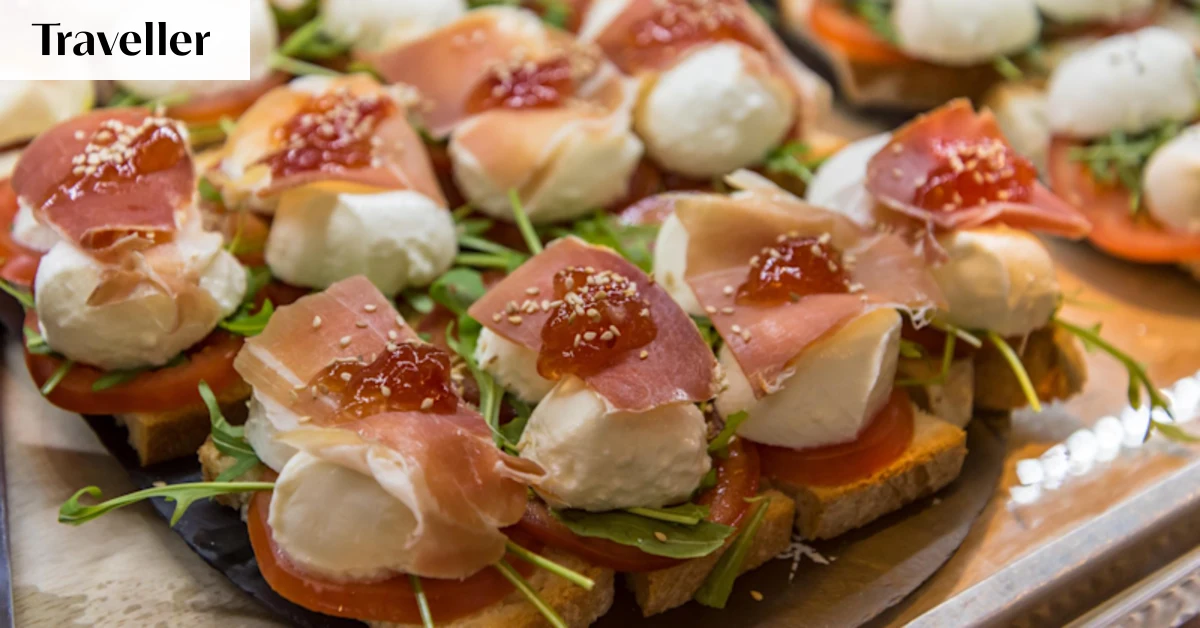
Stepping into the vibrant world of European cuisine is more than just a meal; it is a cultural immersion that spans from the sun-drenched coasts of Spain to the rustic hills of Tuscany. For many travelers, navigating the diverse landscape of Euro-dining can feel overwhelming, with different meal times, etiquette rules, and regional specialties to master. Whether you are sipping espresso in a Parisian bistro or sharing small plates in a bustling Madrid bar, understanding these nuances is key. This guide simplifies the journey, helping you eat like a local while savoring every authentic bite across the continent.
1. Understanding the Tapas Tradition
In Spain, tapas are more than snacks; they are a social lifestyle. These small plates allow diners to sample various flavors in one sitting. Traditionally, you move from bar to bar, enjoying a different specialty at each stop alongside a crisp glass of sherry or beer.
2. The Charm of the Italian Trattoria
A trattoria is typically less formal than a ristorante but more substantial than a pizzeria. It is a family-run establishment serving local, traditional recipes. Expect a cozy atmosphere, handwritten menus, and hearty portions of pasta that taste exactly like a nonna’s home cooking.
3. Mastering French Bistro Etiquette
French bistros are the backbone of Parisian dining. They serve classic “comfort food” like steak frites or onion soup. When dining here, remember that water and bread are usually complimentary, but you must ask for the bill (l’addition) when you are ready to depart.
4. Navigating Mediterranean Meal Times
One of the biggest shocks for beginners is the late dining schedule in Southern Europe. In Spain and Italy, dinner rarely starts before 8:00 PM, and 9:30 PM is the peak hour. Adjusting your internal clock ensures you experience the true evening buzz.
5. The Role of the “Coperto” in Italy
When you see a small charge labeled coperto on your Italian bill, don’t panic. This is a standard cover charge for the bread and table service. It is not a tip, but it means you aren’t expected to leave a large gratuity later.
6. Deciphering Spanish Menu del Día
For an affordable yet authentic lunch, look for the Menu del Día. This fixed-price three-course meal was historically designed for workers but is now a favorite for savvy travelers. It usually includes a starter, main, dessert, and often wine or coffee.
7. Ordering Coffee Like a Local
In Italy, a cappuccino is strictly a breakfast drink. Ordering one after 11:00 AM is a major faux pas. If you need a caffeine fix later in the day, opt for a simple espresso or a macchiato to blend in with the locals.
8. The Importance of Seasonal Ingredients
European kitchens prioritize what is fresh and local. If you see white asparagus on a German menu in May or truffles in Italy during autumn, order them. Eating seasonally ensures you are getting the highest quality produce at the peak of its flavor.
9. Embracing the Aperitivo Hour
Before dinner in Italy or France, locals enjoy an aperitivo or apéritif. This pre-meal drink, such as a Spritz or Vermouth, is designed to “open” the stomach. In many Italian cities, your drink may even come with free light snacks.
10. Understanding Bread Culture
In Europe, bread is a tool for eating, not just a side dish. Use it to “fare la scarpetta”—mopping up the delicious leftover sauce on your plate. However, avoid eating too much bread before the meal arrives to save room for the main courses.
11. Deciphering Wine Lists by Region
Most European wine lists are organized by region rather than grape variety. Instead of looking for “Chardonnay,” look for “Chablis.” Don’t be afraid to ask for the house wine (vino della casa); it is usually local, excellent, and very affordable.
12. The Art of the Greek Meze
Similar to tapas, Greek meze consists of small plates like grilled octopus, olives, and feta. It’s a communal way of eating that encourages conversation. Always pair these salty delights with a glass of Ouzo or a crisp Assyrtiko white wine.
13. Tipping Customs Across the Continent
Unlike in North America, tipping 20% is not the norm in Europe. Service is usually included in the price. Rounding up the bill or leaving a few extra euros for exceptional service is appreciated but never mandatory or expected.
14. Making Reservations is Essential
In popular cities like London, Paris, or Rome, the best spots fill up fast. Use apps or have your hotel call ahead. Many authentic spots are small and family-owned, meaning they have limited seating and won’t always accept walk-ins.
15. The Concept of “Slow Food”
Dining in Europe is an event, not a transaction. Servers will not rush you or bring the check until you ask for it. Take this time to relax, enjoy the company, and soak in the atmosphere of the historic surroundings.
16. Exploring Northern European Pub Culture
In the UK and Ireland, the pub is the community hub. Many “gastropubs” now offer high-end culinary experiences. Note that in many traditional pubs, you may need to order your food and drinks at the bar rather than waiting for table service.
17. Identifying Authentic Gelato
Real gelato should have natural, muted colors. If you see neon-green pistachio or mountain-high piles of bright pink fluff, it’s likely a tourist trap. Look for gelato stored in metal tins (pozzetti) for the freshest, most authentic texture and taste.
18. Navigating Seafood in Coastal Regions
When dining by the Mediterranean or Atlantic, always ask for the “Catch of the Day.” It is often sold by weight, so ensure you understand the price before it hits the grill to avoid a surprise on your final bill.
19. Respecting Dress Codes
While casual attire is generally fine, some traditional trattorias or high-end bistros appreciate a “smart casual” look. Avoiding flip-flops and gym shorts for dinner is a simple way to show respect for the establishment and the local dining culture.
20. Embracing the Sunday Roast
In the UK, Sunday lunch is a sacred tradition. Centered around roasted meat, potatoes, Yorkshire pudding, and gravy, it is a hearty meal that brings families together. It’s the perfect way to experience British hospitality and comfort food at its best.
SEO Meta Description
Unlock the secrets of Euro-dining with our beginner’s guide! Learn about tapas, trattorias, and essential etiquette to eat like a local on your next trip.
Focus Keywords
- Euro-dining
- European food guide
- Tapas tradition
- Italian trattoria etiquette
- Mediterranean meal times
- French bistro tips
- How to eat in Europe
FAQ Section
Q: Do I need to tip in European restaurants? A: Large tips are not required. Service is usually included, but rounding up the bill by a few euros is a kind gesture for good service.
Q: Why is dinner so late in Spain and Italy? A: Due to the warm climate and the tradition of a long lunch (siesta), the evening meal is pushed back to when the air is cooler.
Q: What is the difference between a bistro and a brasserie? A: A bistro is a small, intimate neighborhood spot with a limited menu, while a brasserie is larger, busier, and typically serves food all day.
Internal Linking Suggestions
- The Ultimate Guide to Italian Pasta Shapes and Their Sauces
- 10 Must-Try Street Foods in Madrid and Barcelona
- Budget Travel: How to Eat Well in Paris Without Breaking the Bank
Conclusion
Navigating the world of Euro-dining is an incredibly rewarding experience that goes far beyond the food on your plate. By understanding local customs—from the late-night energy of a Spanish tapas bar to the quiet intimacy of a French bistro—you gain a deeper appreciation for the culture. Keep these tips in mind, stay curious, and don’t be afraid to try something new. Your taste buds will certainly thank you for the adventure.
Leave a Reply