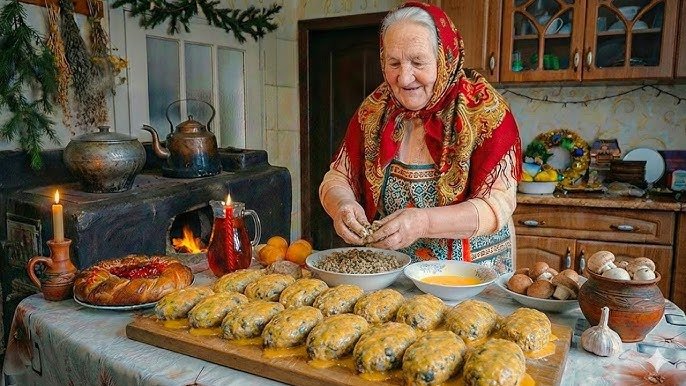
There is a profound, soulful magic found in the high-altitude kitchens of Europe, where the air is crisp and the traditions are as enduring as the peaks themselves. Grandma’s secret recipes from the Alps are more than just meals; they are a flavorful map of mountain history, designed to warm the heart and nourish the body after a long day in the elements. From the creamy depths of a cheese fondue to the delicate dusting of sugar on a fresh strudel, these rustic roots connect us to a simpler time. Today, we’re uncovering the techniques and ingredients that make Alpine soul food truly legendary.
1. The Soul of Alpine Butter
Authentic Alpine cooking starts with high-quality fat. Grandma always insisted on butter made from the milk of cows that grazed on summer wildflowers. This gives the butter a deep yellow hue and a nutty complexity that creates a superior base for browning meats or sautéing mountain herbs.
2. Slow-Fermented Rye Bread
In the Alps, bread is a staple, not a side. Traditional rye loaves are fermented slowly with a natural sourdough starter, often seasoned with caraway seeds and fennel. This long fermentation process ensures the bread stays fresh for days and provides a tangy, chewy texture that pairs perfectly with sharp mountain cheeses.
3. The Art of Spätzle
These tiny, hand-dropped dumplings are a cornerstone of Alpine comfort. By mixing flour, eggs, and a splash of sparkling water, Grandma created a light yet satisfying dough. Pushing the batter through a perforated “spätzle maker” into boiling water creates the perfect vehicle for rich, melted cheese and caramelized onions.
4. Foraging for Wild Herbs
Alpine meadows are nature’s spice rack. Grandma knew exactly when to pick wild thyme, rosemary, and juniper berries. These aromatics are essential for seasoning hearty stews, giving the meat an earthy, piney undertone that reflects the surrounding forest and mountain landscape.
5. The Secret of Speck
Tyrolean Speck is a distinctively cured ham that is both salted and lightly smoked. It adds a salty, smoky depth to dumplings and salads. Grandma’s secret was to slice it paper-thin, allowing the fat to melt instantly on the tongue and release its complex, forest-infused aroma.
6. Alpine Cheese Selection
From Gruyère to Appenzeller, the cheese must be aged and pungent. Traditional recipes often mix three or four varieties to achieve the perfect balance of melting capability and sharp flavor. This “secret blend” is what gives authentic Alpine fondue and raclette their world-renowned reputation.
7. Hand-Stretched Apple Strudel
Grandma’s strudel dough was so thin you could read a newspaper through it. By using high-gluten flour and letting the dough rest, she could stretch it across the kitchen table. Filling it with tart apples, cinnamon, and rum-soaked raisins created a masterpiece of flaky, golden layers.
8. The Warmth of Knödel
Bread dumplings, or Knödel, are the ultimate way to use leftover loaves. Soaked in milk and mixed with fresh parsley and sautéed onions, these spheres are poached until fluffy. They serve as the perfect “sponge” for soaking up rich brown gravies and mushroom sauces.
9. Cast Iron Cooking
In a rustic mountain kitchen, the heavy cast iron skillet is king. It retains heat evenly, which is crucial for achieving the “socarrat-like” crispy crust on the bottom of a pan of Rösti (shredded potatoes) or Kässpätzle (cheese noodles).
10. Juniper-Infused Sauerkraut
Fermentation was a necessity for surviving long Alpine winters. Grandma’s sauerkraut wasn’t just sour; it was flavored with juniper berries and cloves. This probiotic-rich side dish cuts through the richness of fatty meats, providing a bright, acidic balance to every heavy meal.
11. Wild Mushroom Foraging
After a rain, the Alpine woods are full of chanterelles and porcini. Grandma taught that these should never be washed with water—only brushed clean. Sautéed simply with garlic and butter, they provide a meaty, umami-rich flavor that defines high-altitude vegetarian cooking.
12. Polenta: The Mountain Gold
In the southern reaches of the Alps, cornmeal polenta is a staple. Slow-cooked for nearly an hour and stirred constantly with a wooden paddle, it becomes creamy and luscious. It’s often topped with a ragu of wild boar or melted local Gorgonzola.
13. The Role of Schnapps
Grandma always kept a bottle of clear fruit brandy, or Schnapps, nearby. A small splash was often added to cheese fondues to help with digestion, while a glass served post-dinner acted as a “digestif” to settle the stomach after a hearty mountain feast.
14. Sweet Kaiserschmarrn
Translated as “Emperor’s Mess,” this shredded pancake is a beloved dessert. The batter is lightened with whipped egg whites and caramelized in a pan with sugar and butter. Served with a side of plum compote, it is the pinnacle of Alpine sweet treats.
15. Venison and Game Meats
Hunting was a way of life, and venison often graced the table. To remove any gaminess, Grandma marinated the meat in red wine and root vegetables for 48 hours. This slow-braising technique resulted in fork-tender meat that tasted of the wild.
16. The Magic of Toasted Breadcrumbs
Never underestimate the power of a garnish. Grandma would sauté breadcrumbs in brown butter until golden and crisp, sprinkling them over pasta, vegetables, or even desserts. This simple addition adds a crucial textural contrast to otherwise soft, creamy Alpine dishes.
17. Alpine Berry Preserves
Short summers meant berries had to be preserved quickly. Blueberries and lingonberries were cooked down with minimal sugar to maintain their tartness. These preserves are traditionally served alongside savory meats like Wiener Schnitzel to provide a refreshing, fruity counterpoint.
18. Creamy Barley Soup
Bündner Gerstensuppe is a thick, nourishing barley soup that has warmed mountain travelers for centuries. By simmering pearl barley with smoked meat and finely diced vegetables, Grandma created a meal that was both a soup and a hearty stew in one bowl.
19. The Importance of Rest
Grandma always said the secret ingredient was patience. Whether it was letting the dough for doughnuts rise by the warm stove or allowing a roast to rest before carving, giving food time to settle ensured the best possible texture and flavor.
20. Mountain Honey
Alpine honey is floral and intense, harvested from bees that visit high-altitude wildflowers. It is used sparingly as a natural sweetener in herbal teas or drizzled over fresh ricotta, offering a taste of the meadows in every golden drop.
SEO Meta Description
Discover the heartwarming flavors of the mountains with Grandma’s secret recipes from the Alps. Learn traditional techniques for strudel, dumplings, and more!
Focus Keywords
- Grandma’s secret recipes from the Alps
- Alpine comfort food
- Traditional mountain cooking
- Authentic European recipes
- Rustic Alpine ingredients
FAQ Section
Q: What makes Alpine food different from standard European cuisine? A: Alpine food is specifically designed for high-altitude living, focusing on calorie-dense, warming ingredients like aged cheeses, cured meats, and preserved vegetables that could last through long, snowy winters.
Q: Can I make these recipes without traditional mountain cheese? A: While authentic Gruyère or Emmental is best, you can substitute with high-quality Swiss or aged white cheddar. The key is using a cheese with a strong flavor and good melting properties.
Q: Is Alpine cooking difficult for beginners? A: Most rustic roots recipes are based on simple, humble ingredients. While techniques like stretching strudel dough take practice, dishes like Spätzle and Knödel are very approachable for home cooks.
Internal Linking Suggestions
- The Ultimate Guide to European Cheeses: Perfect for readers looking to dive deeper into the ingredients used in Alpine cooking.
- Mastering Sourdough at Home: A great follow-up for those interested in the slow-fermented bread mentioned in the article.
- Winter Comfort Foods from Around the World: A broader look at how different cultures cook during the cold season.
Conclusion
Exploring Grandma’s secret recipes from the Alps is a journey into a world where food is an act of love and survival. These dishes celebrate the harmony between nature and the kitchen, utilizing foraged herbs, preserved meats, and handmade doughs. By bringing these rustic traditions into your own home, you aren’t just making a meal—you are preserving a legacy of warmth and mountain hospitality. Would you like me to provide a full ingredient list for an authentic Alpine Cheese Fondue
Leave a Reply