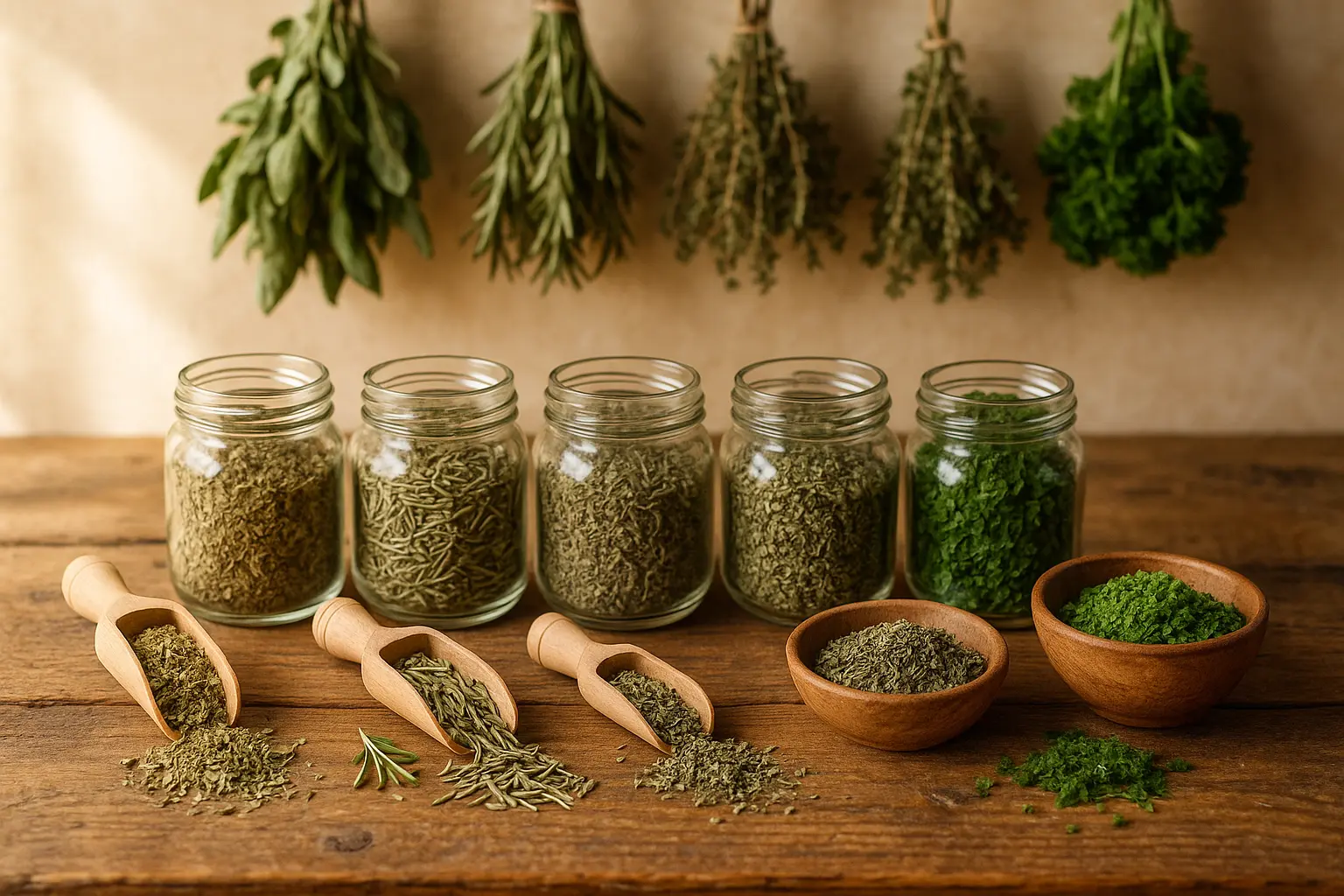
The Mediterranean diet is world-renowned for its health benefits, but the true magic often lies hidden within the secret herbs of the Mediterranean. Beyond the common sprigs of parsley and basil found in every grocery store, there exists a world of botanical wonders that have been used for centuries by local “alchemists”—healers and cooks who understand the potent synergy of flavor and wellness. These herbs don’t just season a dish; they transform simple ingredients into soul-warming medicine. Exploring these lesser-known greens unlocks a pantry of vibrant aromas and ancient wisdom that can elevate your culinary repertoire to new heights.
1. The Ancient Legacy of Wild Oregano
Unlike the mild, dried flakes often found on pizza, wild Mediterranean oregano is pungent and peppery. It was traditionally used as a symbol of joy. Rich in carvacrol, this herb acts as a natural antimicrobial agent, making it a powerhouse for both flavor and digestive health.
2. Summer Savory: The “Bean Herb”
Known as Satureja, summer savory is the secret to digestible legumes. It has a hot, peppery bite that mimics a blend of thyme and mint. Adding it to lentil stews or white bean salads prevents bloating while providing a sophisticated, earthy depth that black pepper cannot match.
3. Mastic: The Tears of Chios
Resin from the mastic tree is a literal Mediterranean gem. Used primarily in Greek desserts and breads, it offers a refreshing pine and cedar aroma. It is prized for its ability to soothe the stomach and provide a unique, resinous sweetness that feels truly alchemical.
4. Marjoram’s Delicate Sweetness
Often confused with oregano, marjoram is the sweeter, more floral cousin. It’s best added at the very end of cooking to preserve its volatile oils. It pairs beautifully with roasted carrots or delicate white fish, offering a subtle perfume that defines classic Provencal cooking.
5. Lovage: The Liquid Gold of Herbs
Lovage tastes like celery on steroids, with hints of anise and lemon. Just a few leaves can flavor an entire pot of soup. It was a staple in Roman kitchens, valued for its intense savory profile and its ability to act as a natural salt substitute.
6. The Earthy Depth of Myrtle Berries
Myrtle grows wild across Sardinia and Corsica. The leaves and berries are used to flavor roasted meats, particularly pork. The aroma is a complex mix of juniper and rosemary, providing a wild, forest-like quality to heavy autumn dishes that is unmistakably Mediterranean.
7. Lemon Verbena: The Fragrant Relaxant
While often used in teas, lemon verbena is a secret weapon for seafood marinades. It provides a pure, intense citrus aroma without the acidity of juice. In the alchemist’s pantry, it is used to calm the nervous system and brighten heavy cream-based desserts.
8. Hyssop’s Bitter Charm
Hyssop is a holy herb mentioned in ancient texts. It has a slightly bitter, minty flavor that cuts through fatty meats like lamb. Because of its intensity, it must be used sparingly, but it adds a layer of historical authenticity and digestive support to any meal.
9. Bay Leaves: The Foundation of Flavor
Fresh Mediterranean bay leaves are far superior to the brittle, dusty versions. They provide a floral, herbal backbone to slow-cooked stews. The secret is to bruise the leaf slightly before adding it to the pot to release the essential cineole oils.
10. Borage: The Coolness of Cucumber
Borage flowers and leaves taste remarkably like fresh cucumber. In the Mediterranean, they are used in salads and chilled soups. The vibrant blue flowers are edible and were historically thought to give courage to those who consumed them in wine.
11. Sage: The Wise Healer
Mediterranean sage is more than just a stuffing ingredient. Fried in butter, it becomes a crispy, nutty garnish for pasta. It is celebrated for its antioxidant properties and its ability to improve memory, living up to its name as the herb of wisdom.
12. Rosemary: The Scent of the Sea
Rosemary thrives in the salty air of the Mediterranean coast. It is a robust herb that stands up to high heat. Using the woody stems as skewers for grilling infuses vegetables and meats with a smoky, piney essence that defines outdoor Mediterranean cooking.
13. Thyme: The Versatile Alchemist
Thyme comes in many varieties, from lemon to orange to wild mountain thyme. It is the most versatile herb in the Mediterranean pantry, bridging the gap between sweet and savory. It contains thymol, a potent antiseptic that has been used for millennia.
14. Aniseed: The Mediterranean Spirit
The tiny seeds of the anise plant provide the licorice notes found in Ouzo and Arak. In cooking, they add a sweet, warming spice to biscuits and breads. Aniseed is the alchemist’s choice for balancing “cold” foods like raw vegetables and seafood.
15. Rue: The Forbidden Note
Rue is a controversial herb with a very strong, bitter taste. In small amounts, it was used in ancient Rome to flavor sauces. Today, it is a “secret” ingredient in certain Mediterranean spirits, providing an intriguing complexity that challenges the palate.
16. Fennel Fronds: The Airy Garnish
While the bulb is a vegetable, the feathery fronds are a potent herb. They provide a bright, sweet anise flavor that is essential for fish soups like Bouillabaisse. They add visual elegance and a refreshing finish to heavy citrus dressings.
17. Lavender: Beyond the Sachet
Culinary lavender, specifically Lavandula angustifolia, adds a sophisticated floral note to spice rubs. When paired with savory herbs like rosemary, it creates a “hidden” floral layer that makes guests wonder what that enchanting, elusive flavor could be.
18. Purslane: The Omega-3 Powerhouse
Often dismissed as a weed, purslane is a succulent herb found in Greek salads. It has a salty, slightly sour taste and is one of the highest plant sources of Omega-3 fatty acids. It’s the ultimate “secret” for heart-healthy Mediterranean eating.
19. Sea Fennel: The Coastal Secret
Grown on rocky shorelines, sea fennel (Kritamo) is often pickled. It has a salty, mineral-rich flavor that tastes like the ocean. It’s a rare delicacy that adds a burst of Mediterranean brine to salads and meze platters.
20. Chervil: The Subtle Sophisticate
Chervil is like a delicate mix of parsley and anise. It is a cornerstone of “fines herbes.” Because it is so fragile, it is never cooked, but rather sprinkled over eggs or spring vegetables to provide a fleeting, magical freshness.
SEO Meta Description
Discover the secret herbs of the Mediterranean and transform your cooking. Learn how to use wild oregano, mastic, and more in our guide to the alchemist’s pantry.
Focus Keywords
- Secret herbs of the Mediterranean
- Mediterranean cooking tips
- Healing herbs and spices
- Ancient Mediterranean recipes
- Culinary herbs benefits
- Wild Mediterranean oregano
- Herbal alchemy in cooking
FAQ Section
Q: What is the most important secret herb for a Mediterranean pantry? A: While it depends on the region, Wild Oregano is often considered the “king” because of its intense flavor and medicinal properties compared to common store-bought varieties.
Q: Can I grow these Mediterranean herbs in a colder climate? A: Most Mediterranean herbs like rosemary, thyme, and sage are hardy. However, tender herbs like lemon verbena or mastic trees may need to be brought indoors during winter.
Q: How do I store fresh Mediterranean herbs to keep them potent? A: Hardier herbs (rosemary, thyme) should be wrapped in a damp paper towel in the fridge. Delicate herbs (parsley, chervil) do best when placed in a glass of water like a bouquet.
Internal Linking Suggestions
- The Health Benefits of the Mediterranean Diet: A Beginner’s Guide
- Top 10 Essential Spices Every Home Cook Needs
- How to Start Your Own Kitchen Herb Garden in 5 Steps
Conclusion
The secret herbs of the Mediterranean offer more than just a way to season your food; they are a gateway to a healthier, more flavorful lifestyle. By incorporating these “alchemical” ingredients—from the peppery bite of summer savory to the resinous notes of mastic—you can turn every meal into a celebration of history and wellness. Start small by experimenting with one new herb each week, and watch your kitchen transform into a place of culinary magic.
Leave a Reply