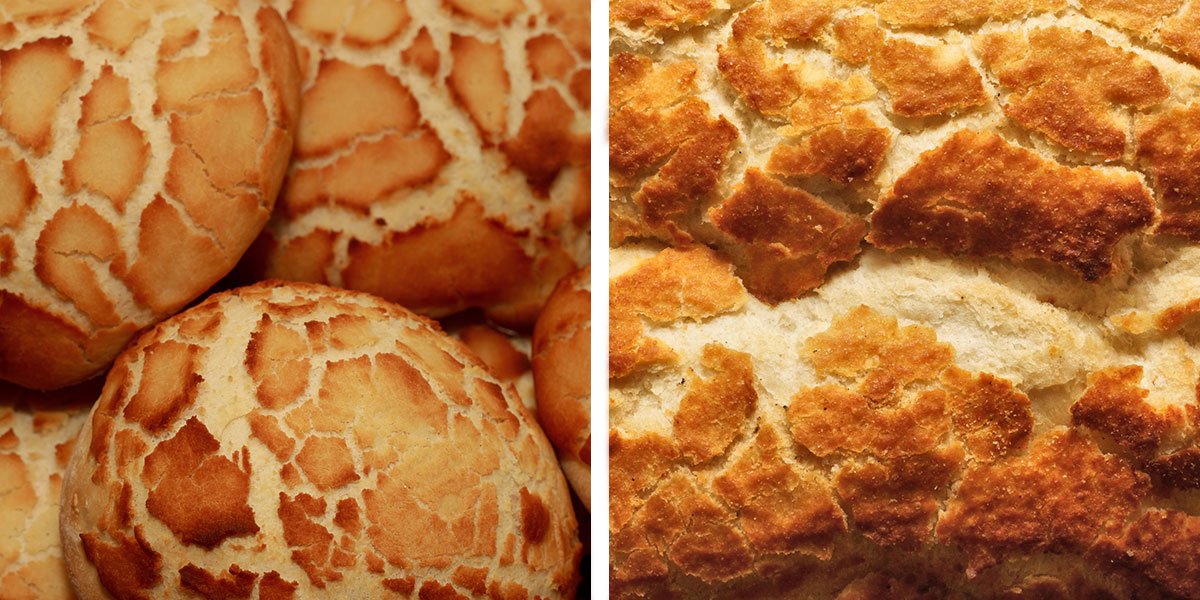
Step into any local boulangerie in Paris or a rustic bakery in Munich, and the aroma alone tells a story of tradition. For many travelers, the realization that Europe does bread better isn’t just a culinary preference; it is a fundamental shift in how they view nutrition and flavor. While much of the world relies on mass-produced, shelf-stable loaves, the European “Continental Crust” thrives on heritage grains, natural fermentation, and strict purity laws. This article explores the cultural, chemical, and artisanal reasons why European bread remains the gold standard of global baking.
1. The Power of Natural Leavening
Unlike industrial loaves that use fast-acting commercial yeast, many European breads rely on sourdough starters. This slow fermentation process breaks down gluten and phytic acid, making the bread easier to digest and giving it a complex, tangy flavor profile that’s impossible to mass-produce.
2. Heritage Grain Varieties
European farmers often cultivate ancient grains like spelt, emmer, and einkorn. These varieties haven’t been genetically modified for high-yield industrial farming, preserving a higher mineral content and unique nutty flavors that modern “white flour” simply cannot replicate in the baking process.
3. Strict Flour Regulations
In many European countries, flour is classified by its mineral content (like Italy’s “Tipo 00”). These regulations ensure that bakers have access to high-quality, unbleached flour without the chemical additives or dough conditioners commonly found in North American supermarket breads.
4. The “Bread Laws” of France
France famously has the Décret Pain of 1993, which mandates that a “traditional” baguette can only contain four ingredients: flour, water, salt, and yeast. This legal protection prevents the use of preservatives, ensuring every bite is as fresh and natural as possible.
5. Water Mineralization and Texture
The mineral content of local water in regions like the Alps or the Rhine Valley affects dough elasticity. Many artisans argue that the specific “hardness” of European water interacts with flour proteins to create a superior crumb structure and a more resilient, chewy crust.
6. The Art of the Stone Oven
Traditional European bakeries utilize deck ovens or wood-fired stone ovens. These provide intense, radiant heat that creates a thick, caramelized crust. This “Maillard reaction” on the surface of the loaf is responsible for the deep savory notes and iconic crunch.
7. Cultural Daily Habits
In Europe, bread is often bought daily rather than weekly. Because it lacks preservatives, it is meant to be eaten fresh. This high turnover encourages small-scale local bakeries to thrive, prioritizing quality and freshness over a long, artificial shelf life.
8. German Rye Mastery
Germany boasts over 3,000 types of bread, with a heavy focus on rye. Rye requires a specific “acidification” process to bake properly. This expertise in whole-grain chemistry results in dense, nutrient-dense loaves that provide sustained energy and incredible fiber content.
9. Absence of Added Sugars
A major reason European bread tastes “real” is the absence of high-fructose corn syrup. While many commercial breads elsewhere use sugar to speed up browning and extend softness, European loaves rely on long fermentation to unlock the natural sugars within the grain.
10. The Role of the Apprentice
The guild system and professional apprenticeships remain strong in Europe. Bakers undergo years of rigorous training to master temperature control, hydration levels, and hand-shaping techniques, ensuring that the “human touch” is never lost to automation.
11. Hydration Levels
European artisans often work with “high hydration” doughs. A wetter dough creates larger air pockets (alveoli) and a gelatinized interior. This technical skill results in a loaf that is incredibly light and airy on the inside while remaining crispy on the outside.
12. Slower Kneading Techniques
Over-mixing dough can oxidize the flour, stripping it of flavor and color. Many European bakers use “slow mixing” or “stretch and fold” methods. This preserves the carotenoid pigments in the wheat, leading to a creamier-colored crumb and a richer wheat aroma.
13. The Importance of “Terroir”
Much like wine, bread in Europe is tied to its “terroir.” The specific climate, soil, and local wild yeast strains in the air contribute to a unique regional taste. A loaf from Puglia tastes different than one from Brittany due to these environmental factors.
14. Nutritional Bioavailability
Because of long fermentation periods, the nutrients in European bread are more bioavailable. The process neutralizes antinutrients, allowing the body to better absorb magnesium, iron, and zinc. This transforms bread from a “filler” into a functional, nutritious food source.
15. The Social Fabric of the Bakery
The bakery (or panificio) serves as a community hub. This social demand for quality keeps the standards high. When a community values the craft of the baker, there is no market for the flavorless, plastic-wrapped alternatives found in industrial food systems.
SEO Meta Description
Discover why Europe does bread better. Explore the secrets of the continental crust, from French purity laws to German rye mastery and natural fermentation.
Focus Keywords
- European bread quality
- Artisan sourdough techniques
- French baguette regulations
- Natural fermentation benefits
- Heritage grains Europe
- Continental crust secrets
FAQ Section
Q: Why is European bread easier to digest? A: Many European breads use natural sourdough fermentation, which breaks down gluten proteins and phytic acid, making it gentler on the digestive system compared to quick-rise commercial breads.
Q: Does European bread contain preservatives? A: Traditional European bread, especially in France and Italy, is made with minimal ingredients and no artificial preservatives, which is why it is typically purchased and eaten fresh daily.
Q: What makes the French baguette so special? A: Beyond the technique, French law protects the “tradition” label, forbidding chemicals and freezing, ensuring the bread is made from scratch using only flour, water, salt, and yeast.
Internal Linking Suggestions
- The Beginner’s Guide to Sourdough Starters: A deep dive into maintaining your own wild yeast at home.
- Top 10 Bakeries in Paris You Must Visit: A travel-focused guide for bread enthusiasts.
- Understanding Flour Types: How to choose the right flour for authentic European-style baking.
Conclusion
The secret to why Europe does bread better lies in a refusal to sacrifice quality for convenience. By honoring slow fermentation, respecting regional ingredients, and upholding strict culinary standards, European bakers transform simple flour and water into a nutritional masterpiece. Whether it’s the crunch of a baguette or the density of a rye loaf, the continental crust reminds us that some things are simply better when they take time.
Leave a Reply