There is a profound magic found in the narrow, winding alleys of the Old World, where the scent of baking bread and simmering garlic leads the way. The Cobblestone Kitchen: A Journey Through Europe’s Backstreets is more than just a culinary tour; it is a deep dive into the soul of a continent. While famous Michelin-starred restaurants have their place, the true heart of European gastronomy beats in the humble, family-run taverns tucked away from the tourist crowds. Exploring these hidden gems allows food lovers to experience authentic traditions, centuries-old recipes, and the genuine hospitality that defines European food culture.
1. The Allure of the Hidden Trattoria
Venturing away from the main piazzas in Italy reveals the hidden trattoria. These small establishments often lack printed menus, relying instead on what is fresh at the market. Here, you will find the most authentic pasta dishes, prepared with techniques passed down through multiple generations.
2. Savoring the Boulangeries of Paris
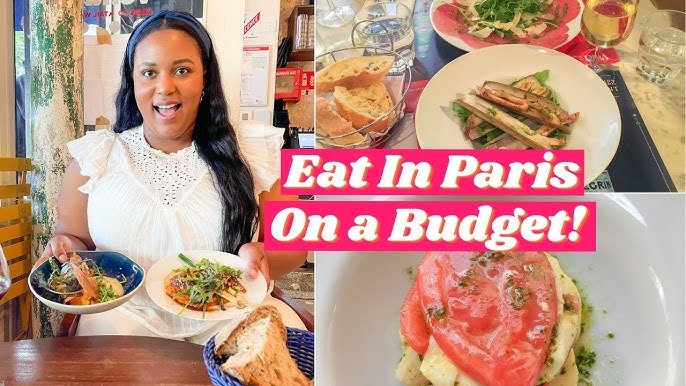
In the backstreets of Montmartre or Le Marais, the morning air is thick with the aroma of butter and yeast. Local boulangeries offer a sensory experience that defines French life. A simple, perfectly laminated croissant or a crusty baguette remains the ultimate symbol of French culinary precision.
3. The Tapas Culture of Seville
Seville’s narrow lanes are home to tiny tapas bars where locals stand shoulder-to-shoulder. Eating here is a social event. From salty Ibérico ham to refreshing gazpacho, these small plates offer a diverse taste of Andalusia, encouraging a grazing style of dining that lasts for hours.
4. Coastal Flavors in Portuguese Tascas
In Lisbon’s Alfama district, “tascas” serve as the neighborhood living rooms. These rustic eateries specialize in bacalhau (salt cod) and grilled sardines. The simplicity of the ingredients, often paired with a glass of crisp Vinho Verde, highlights the beauty of Portuguese Atlantic-style cooking.
5. The Hearty Warmth of Czech Hospodas
Walking through Prague’s Lesser Town leads you to traditional “hospodas.” These pubs are the best places to enjoy beef goulash and bread dumplings. The food is designed to be hearty and comforting, perfectly complementing the world-renowned local pilsners brewed according to strict historic standards.
6. Greek Meze in the Plaka
Beneath the Acropolis, the winding stairs of the Plaka hide small cafes serving traditional meze. Sharing plates of grilled halloumi, octopus, and fava bean puree allows for a communal dining experience. It reflects the Mediterranean philosophy that food is best enjoyed slowly with friends and family.
7. Discovering Viennese Coffee Houses
Vienna’s backstreets are famous for a coffee culture recognized by UNESCO. These grand yet cozy spaces offer a sanctuary for thinkers and cake lovers alike. Ordering a Sachertorte or Apfelstrudel is a rite of passage, representing the elegance of the former Austro-Hungarian Empire.
8. The Secret Pintxos of San Sebastián
The Basque Country offers a unique twist on tapas known as pintxos. In the Old Town (Parte Vieja), every bar counter is laden with creative snacks held together by toothpicks. Navigating these bars is an edible art tour, showcasing incredible regional seafood and cheeses.
9. Traditional Belgian Friteries
Beyond the waffles and chocolate, the backstreets of Brussels and Bruges hide legendary “friteries.” These aren’t just fast food stalls; they are institutions. Double-fried in beef tallow and served with a variety of artisanal mayonnaises, they represent the pinnacle of Belgian street food craftsmanship.
10. The Rustic Charms of Tuscan Farmhouses
Traveling just outside the city walls into the Tuscan countryside reveals the “agriturismo” lifestyle. Here, the “farm-to-table” concept isn’t a trend; it’s a way of life. Fresh olive oil, wild boar ragu, and Pecorino cheese provide an earthy, unforgettable connection to the land.
11. Exploring the Jewish Quarter in Budapest
Budapest’s Seventh District is a hub for “ruin bars” and traditional Jewish-Hungarian fusion. Sampling Flódni, a rich layered cake with poppy seeds, walnuts, and apples, offers a taste of the city’s complex history and its vibrant, resilient culinary evolution in recent years.
12. Fresh Catch in Croatian Konobas
Along the Dalmatian coast, “konobas” (cellar taverns) serve seafood caught just hours prior. Black risotto flavored with cuttlefish ink is a regional specialty. These hidden coastal spots prioritize seasonal ingredients, providing a pure, unadulterated taste of the Mediterranean Sea.
13. Swiss Fondue in Alpine Alleys
In the mountainous backstreets of Gruyères or Zermatt, cheese is king. Sharing a pot of bubbling fondue made from local Vacherin and Gruyère is the ultimate alpine comfort. It’s a meal that celebrates the high-altitude dairy traditions that have sustained mountain communities for centuries.
14. The Pastry Secrets of Sicily
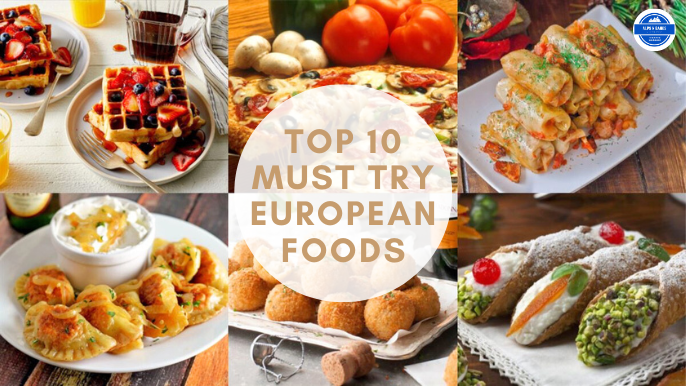
Sicily’s narrow streets offer a different flavor profile, influenced by North African and Greek history. From cannoli filled with sheep’s milk ricotta to citrusy granita, the island’s sweets are legendary. These desserts are often handcrafted in tiny shops that have used the same recipes for decades.
15. Munich’s Hidden Beer Gardens
While the English Garden is famous, Munich’s smaller neighborhood beer gardens offer a more intimate look at Bavarian life. Pairing a giant pretzel with Obatzda (cheese spread) and a cold lager under the chestnut trees provides an authentic “Gemütlichkeit” experience.
16. The Spices of Istanbul’s Side Streets
Where Europe meets Asia, the backstreets of Istanbul offer an explosion of flavor. Beyond the Grand Bazaar, local stalls serve “pide” and “lahmacun” cooked in stone ovens. The use of sumac, pomegranate molasses, and fresh herbs creates a complex, vibrant palate.
17. Artisan Cheese Markets in Amsterdam
The canals of Amsterdam hide specialized cheese boutiques that go far beyond standard Gouda. Sampling aged “Old Amsterdam” or clove-infused Leyden cheese allows you to understand the Dutch mastery of dairy. These shops often offer pairings with local mustard and craft ales.
18. The Pub Grub Revolution in London
London’s mews and side streets are home to “gastropubs” that have redefined British cuisine. By elevating humble dishes like Scotch eggs or fish and chips with high-quality, sustainable ingredients, these pubs prove that British food is a contender on the world stage.
19. Polish Pierogi in Old Kraków
In the cellar restaurants of Kraków, pierogi are an art form. Whether stuffed with potato and cheese or wild mushrooms, these dumplings are the ultimate comfort food. They represent the heart of Polish hospitality, often served with a side of sour cream and fried onions.
20. The Vibrant Markets of Provence
Small towns in Provence host weekly markets that are a feast for the senses. From fragrant lavender honey to herb-crusted goat cheese, these markets are where the “Cobblestone Kitchen” begins. Buying ingredients directly from the producer is the most authentic way to eat like a local.
SEO Meta Description
Explore the authentic flavors of the Old World with The Cobblestone Kitchen: A Journey Through Europe’s Backstreets. Discover hidden eateries and traditional recipes.
Focus Keywords
- Europe backstreets food
- Authentic European recipes
- Hidden culinary gems Europe
- Traditional European dining
- European street food guide
- Food travel Europe
FAQ Section
Q: How do I find authentic restaurants in European backstreets? A: Look for places without English menus, avoid restaurants with “touts” outside, and follow the locals during peak dining hours to find the most genuine spots.
Q: Is it expensive to eat at these hidden locations? A: Generally, no. Backstreet eateries often offer much better value for money than those located on main tourist squares, providing higher quality food at local prices.
Q: Do I need to make reservations for small neighborhood taverns? A: While some are walk-in only, popular neighborhood spots can fill up quickly. It is always a good idea to call ahead or visit early in the evening.
Internal Linking Suggestions
- The Best Street Foods in Italy: A Region-by-Region Guide
- How to Eat Like a Local: 10 Tips for Your First European Trip
- A Guide to Traditional Pastries Across Central Europe
Conclusion
Exploring The Cobblestone Kitchen: A Journey Through Europe’s Backstreets is an invitation to slow down and savor the authentic. By stepping away from the bright lights of tourist traps, you unlock a world of rich history, local passion, and unparalleled flavor. Whether it’s a crusty baguette in Paris or a plate of tapas in Seville, these backstreet discoveries provide memories—and tastes—that stay with you long after the journey ends.