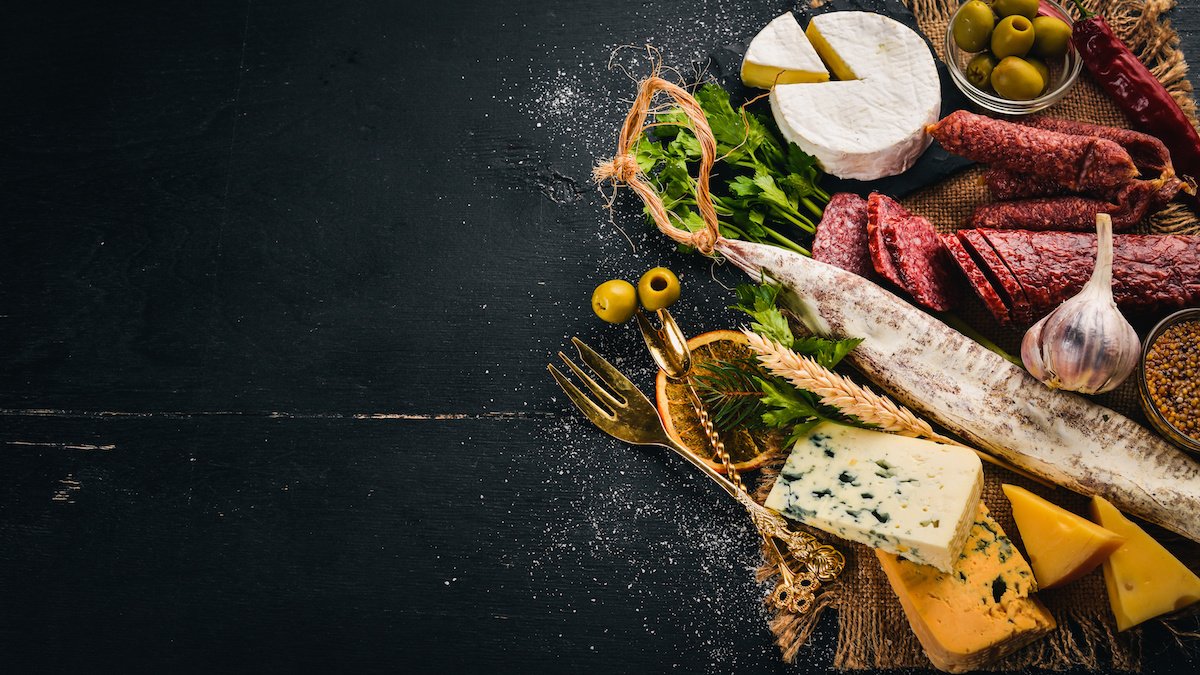
French cuisine is often viewed as the pinnacle of culinary art, shrouded in mystery and complex techniques. However, the true magic isn’t just in the chef’s hat; it lies in the pantry. By understanding the 7 secret ingredients that make French cooking so special, you can transform a simple meal into a gourmet experience. These foundational elements provide the depth, richness, and “je ne sais quoi” that define French gastronomy. From the velvety texture of a mother sauce to the aromatic height of fresh herbs, these secrets are the building blocks of flavor that every home cook can master.
1. High-Quality Unsalted Butter
In France, butter isn’t just a fat; it’s a flavor carrier. Using high-fat, European-style unsalted butter allows the cook to control salt levels while achieving a creamy, nutty profile. It is the backbone of flaky pastries and silky finishing sauces like beurre blanc.
2. Shallots Over Onions
While onions are a kitchen staple, French chefs prefer shallots for their delicate, sophisticated sweetness. They provide a subtle garlic-undertone without the harsh bite of a yellow onion. Shallots are essential for authentic vinaigrettes, mignonettes, and reducing into concentrated wine sauces.
3. Bouquet Garni
This bundle of fresh herbs—typically parsley, thyme, and bay leaf—is the “secret” to aromatic depth. Tied with kitchen twine, it steeps in stocks and stews, infusing the liquid with earthy notes without leaving woody stems or loose leaves in the finished dish.
4. High-Acid Verjuice or Vinegar
Balance is key to French cooking. A splash of high-quality red wine vinegar or verjus (the juice of unripened grapes) cuts through heavy fats. This acidity brightens a dish, waking up the palate and ensuring that rich sauces don’t feel overly cloying.
5. Crème Fraîche
Unlike standard sour cream, crème fraîche has a higher fat content and won’t curdle when boiled. It adds a luxurious, slightly tangy richness to soups and sauces. Its stability and velvety texture make it a superior choice for achieving professional-grade consistency.
6. Grey Sea Salt (Sel Gris)
French cooking relies on the mineral-rich profile of sel gris from regions like Guérande. This moist, unrefined salt offers a complex briny flavor and a soft crunch. It enhances the natural flavors of ingredients rather than simply making them taste salty.
7. Nutmeg (The Hidden Warmth)
You might find it odd in savory dishes, but a pinch of freshly grated nutmeg is the secret to a perfect Béchamel or Quiche Lorraine. It provides a subtle, warm background note that rounds out dairy-heavy recipes without being identifiable as a spice.
8. Homemade Stock (Fond)
The word fond means “foundation,” and for good reason. Real French cooking eschews bouillon cubes for stocks made from roasted bones and mirepoix. This creates a gelatinous body and a deep, savory umami that store-bought versions simply cannot replicate.
9. Dijon Mustard
Not all mustards are created equal. Authentic Dijon provides a sharp, piquant heat that acts as an emulsifier in salad dressings. It is also used as a crust for roasted meats, adding both moisture and a sophisticated flavor profile to the surface.
10. Fresh Chervil
Often overlooked by home cooks, chervil is a cornerstone of the fines herbes blend. Its faint anise-like flavor is more delicate than parsley, making it the perfect finishing touch for omelets and light spring vegetables where subtlety is paramount.
11. Cognac or Brandy
Deglazing a pan with a splash of Cognac releases caramelized bits of meat (the suc) while adding a complex, fruity depth. The alcohol burns off, leaving behind a concentrated essence that elevates pan sauces from ordinary to restaurant-quality.
12. Leeks
Leeks are the “sweethearts” of the French vegetable garden. When sautéed slowly in butter, they melt into a sweet, silken base. They are fundamental to classics like Vichyssoise and provide a more refined aromatic base than standard leeks or scallions.
13. Duck Fat (Graisse de Canard)
For the ultimate roasted potatoes or confit, French chefs turn to duck fat. It has a high smoke point and an incredible savory richness. It imparts a golden crispness and a depth of flavor that vegetable oils simply lack.
14. Tarragon
Tarragon is the “king” of French herbs. Its distinct licorice notes are the defining characteristic of Béarnaise sauce. Using fresh tarragon provides a cooling, aromatic contrast to roasted chicken and fish dishes, making them taste uniquely Parisian.
15. Wine for Reduction
French cooking uses wine as an ingredient, not just a pairing. Reducing wine concentrates its sugars and acidity, creating a powerful flavor base. The secret is using a wine you would actually drink, ensuring the concentrated flavor remains high-quality.
16. Cold Butter Finishing (Monter au Beurre)
This technique involves whisking cold butter into a hot sauce at the very end. The butter emulsifies rather than melting into oil, giving the sauce a professional “gloss” and a thick, luxurious mouthfeel that defines elite bistro cooking.
17. Anchovies (The Invisible Umami)
While rarely the star, a melted anchovy fillet provides a hidden salty depth to lamb dishes and tapenades. It dissolves completely, acting as a natural flavor enhancer that boosts the meatiness of a dish without adding a fishy taste.
18. Clarified Butter (Ghee)
By removing the milk solids, chefs can cook at higher temperatures without burning the fat. This is essential for achieving that perfectly golden-brown crust on a Sole Meunière while maintaining the pure, sweet flavor of the dairy.
19. Truffle Oil or Salt
While fresh truffles are a luxury, a high-quality truffle salt or oil can provide that earthy, forest-floor aroma that characterizes high-end French cuisine. Used sparingly, it adds an immediate sense of opulence and complexity to simple pasta or potatoes.
20. Double Cream
French “crème liquide” has a richness that coats a spoon. It is used to finish veloutés and gratins, providing a structural thickness and a mellowing effect on strong spices, ensuring every bite is smooth and balanced.
SEO Meta Description
Discover the 7 secret ingredients that make French cooking so special. Master authentic flavors with our guide to essential French pantry staples and techniques.
Focus Keywords
- French cooking secrets
- Authentic French ingredients
- French culinary techniques
- Secret ingredients for French food
- How to cook like a French chef
- Essential French pantry staples
FAQ Section
Q: Can I substitute dried herbs for a Bouquet Garni? A: While dried herbs work in a pinch, fresh herbs are preferred for their vibrant oils. If using dried, place them in a cheesecloth sachet to ensure you can remove the woody bits before serving.
Q: Why is unsalted butter so important in French recipes? A: Unsalted butter allows you to control the exact salinity of the dish. Different brands have varying salt levels, which can ruin the balance of a delicate reduction or pastry.
Q: Do I really need to use wine in French cooking? A: Wine provides essential acidity and sugar. If you prefer not to use alcohol, you can substitute with a mix of high-quality broth and a splash of verjus or lemon juice.
Internal Linking Suggestions
- The Mother Sauces: A Beginner’s Guide to Mastering French Gravies.
- Essential Kitchen Tools: What Every French-Inspired Kitchen Needs.
- Mirepoix vs. Holy Trinity: Understanding Aromatic Bases in Cooking.
Conclusion
Mastering the art of the French kitchen doesn’t require a culinary degree; it requires an appreciation for quality and balance. By incorporating these 7 secret ingredients that make French cooking so special, you move beyond mere recipes and begin to understand the soul of the cuisine. Focus on the details—the quality of your butter, the freshness of your herbs, and the depth of your stocks—to bring the taste of Paris into your home.
Leave a Reply